 Phone:


When it comes to protecting surfaces in demanding environments, urethane coatings stand out as an industry favorite due to their exceptional abrasion resistance. Whether in industrial machinery, flooring systems, or automotive applications, maintaining surface integrity under abrasive conditions is essential. Urethane coatings offer unmatched durability, combining adaptability and resilience in ways that make them a versatile choice for both commercial and industrial applications. But before committing to any single coating substance, it’s critical to understand why urethane coatings excel in abrasion resistance. Let’s explore the properties and mechanisms that enable urethane coatings to excel in conditions where wear and tear are a constant threat.
The Composition of Urethane Coatings
The superior performance of urethane coatings begins with their chemical composition. Urethane, a polymer derived from the reaction of polyols and isocyanates, forms a robust structure that gives these coatings their characteristic durability. This chemical makeup results in high tensile strength and an ability to withstand physical stress.
The addition of reinforcing agents further enhances their protective properties, creating a protective barrier capable of withstanding continuous friction, impacts, and scratches. Because of these qualities, urethane coatings are highly sought-after in industries where surface wear is a daily challenge.
Durability Meets Flexibility
One of the key reasons urethane coatings excel is their unique balance of durability and flexibility. Unlike harder coatings that can become brittle and crack under stress, urethane coatings maintain their structural integrity even in high-traffic, abrasive environments.
This flexibility allows them to absorb impacts and distribute force across the surface, reducing the chances of damage. This characteristic also makes urethane coatings ideal for applications exposed to fluctuating temperatures, as they can expand and contract without losing adhesion or effectiveness.
Abrasion Resistance and Longevity
Abrasion resistance is not just about preventing immediate damage but also about extending the lifespan of the protected material. Urethane coatings provide a strong shield against constant wear that results from friction, rubbing, and other mechanical actions. This resistance is particularly important in environments subjected to heavy foot traffic, rolling machinery, or harsh cleaning practices.
By minimizing surface wear, urethane coatings help maintain both the appearance and functionality of the underlying substrate, reducing the need for frequent repairs or replacements. This longevity directly translates to cost savings over time, making urethane coatings a smart investment.
High-Performance Applications
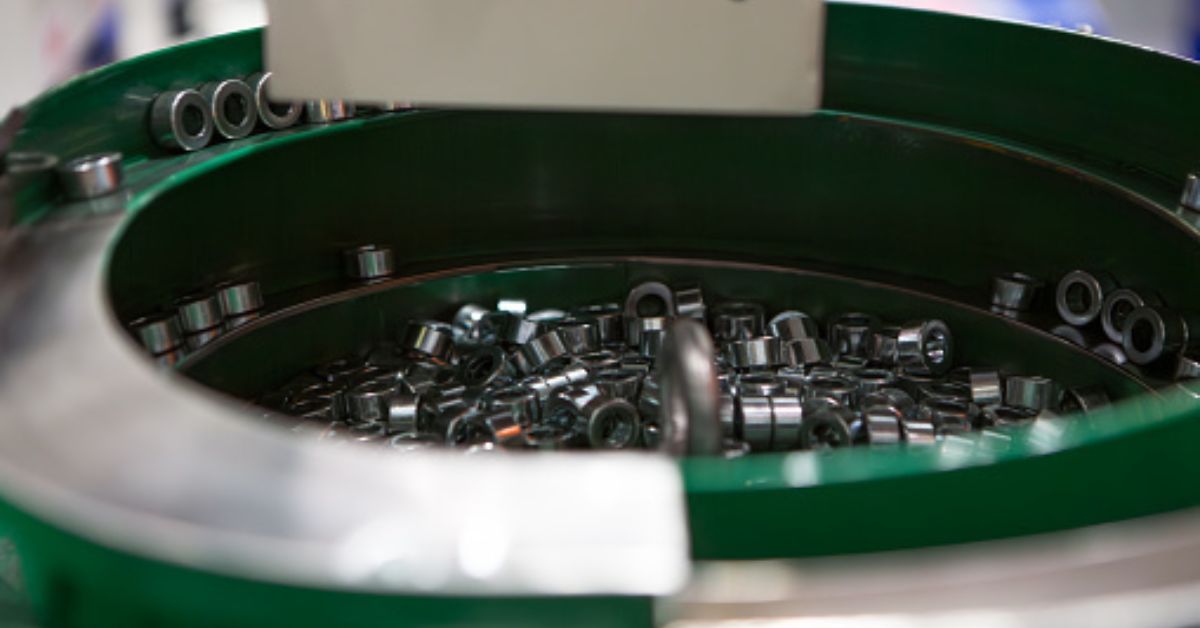
Urethane coatings find their way into a wide array of industries due to their high performance in challenging conditions. For example, industrial equipment often operates in environments where abrasion is inevitable, and urethane coatings provide the protection needed to keep machinery running smoothly.
Similarly, in flooring applications, urethane coatings protect surfaces from scuffs, chips, and scratches, ensuring that they remain visually appealing and safe to walk on. Automotive parts, shipping containers, and even protective coatings for wood furniture benefit from the abrasion-resistant properties of urethane.
Their versatility allows them to adapt to a broad spectrum of use cases while maintaining their core protective qualities.
Chemical Resistance Adds an Extra Layer of Protection
Another reason urethane coatings stand out is their resistance to a wide range of chemicals. Industrial and commercial environments often involve exposure to abrasive chemicals, solvents, and oils, which can quickly degrade unprotected surfaces. Urethane coatings form a barrier that resists these substances, ensuring the coated material is shielded from chemical-induced wear.
This dual resistance to both physical and chemical abrasion makes urethane an invaluable coating in industries such as manufacturing, automotive, and construction, where surfaces are routinely exposed to harsh environments.
Ease of Application and Customization
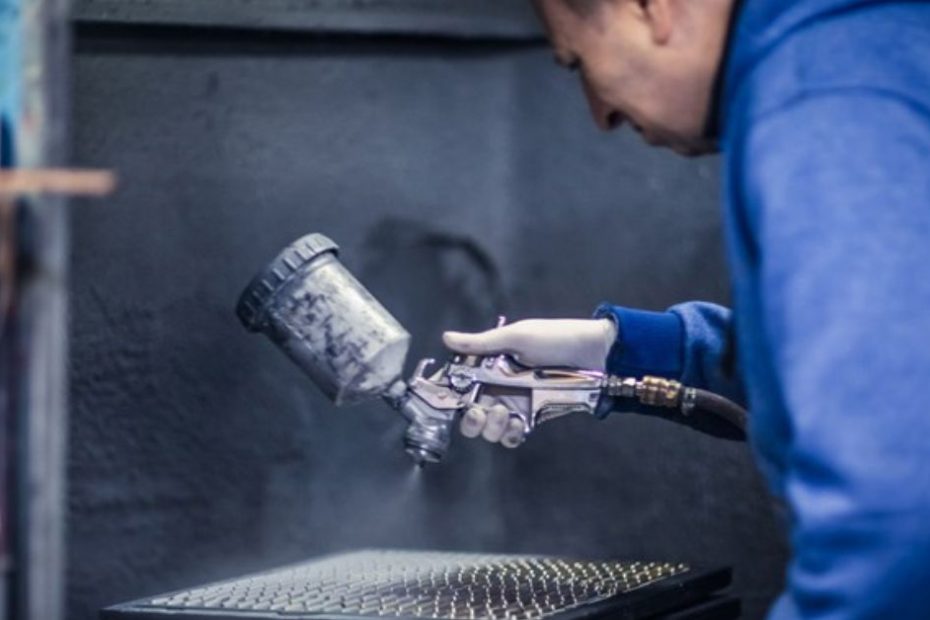
Urethane coatings are not only high-performing but also relatively easy to apply. They can be customized to fit specific needs, with variations in thickness, sheen levels, and curing processes to achieve the desired level of protection and aesthetics.
This adaptability means that professionals can tailor urethane coatings to highly specialized scenarios, providing just the right balance of abrasion resistance and visual appeal. Many urethane coatings cure quickly, making them a time-efficient option for projects that need to minimize downtime without sacrificing performance.
Environmental Considerations and Innovation
Advancements in urethane coating technologies have also led to more environmentally friendly options, such as water-based urethanes. These coatings offer all the benefits of traditional formulations with reduced volatile organic compounds (VOCs), making them a greener choice for environmentally conscious projects.
At the same time, manufacturers are continuously innovating to enhance their abrasion-resistant properties, ensuring they remain at the forefront of protective coating solutions. The environmental adaptability of these coatings further underscores their versatility and appeal across different sectors.
The Cost-Effectiveness of Urethane Coatings
Although urethane coatings may initially involve a slightly higher investment compared to some alternatives, their durability and longevity make them a cost-effective solution in the long run.
The reduced need for maintenance, repairs, and recoating saves both time and money, particularly in environments where frequent resurfacing would otherwise be unavoidable. When considering the total lifecycle costs, urethane coatings often outperform other protective options, providing value that extends far beyond the initial application.
Ideal Industries and Uses
- Automotive industry: For protective coatings on vehicles, offering resistance to wear, corrosion, and environmental factors.
- Construction and infrastructure: Ideal for waterproofing, floor coatings, and protecting structural components from abrasion and weathering.
- Aerospace industry: Applied to aircraft surfaces and components to ensure durability, UV resistance, and protection against extreme conditions.
- Marine industry: Used on ships, docks, and other marine equipment to prevent corrosion and damage from constant water exposure.
A Reliable Solution for Abrasion-Intensive Environments
Whether protecting warehouse floors, industrial equipment, or consumer goods, urethane coatings offer unparalleled abrasion resistance that meets the demands of modern industries. Their unique chemical properties, flexibility, and ability to withstand both physical and chemical abrasion ensure they remain a trusted solution in various applications. With the added benefits of durability, cost efficiency, and environmental adaptability, urethane coatings continue to set the standard for surface protection in abrasive environments.
By understanding the science and practicality behind urethane coatings, businesses and individuals can make informed decisions to protect their assets effectively, ensuring longevity and performance even under the toughest conditions. From expansive industrial spaces to intricate automotive components, urethane coatings prove themselves time and time again as a reliable and versatile choice.
At KECO Engineered Coatings, we understand the need for durable and reliable coatings for any type of industrial application. Whether you’re looking to enhance durability, resist abrasion, or protect valuable assets, our urethane coatings are the solution you’ve been searching for. Contact us today for further information on how we can help you and improve your processes.