 Phone:


Teflon coatings, a product of advanced chemical engineering, have become synonymous with low-friction and high-performance solutions across multiple industries. From cookware and automotive components to industrial machinery, Teflon’s unique properties make it an indispensable material in applications where smooth operation and reduced wear are critical. Learn how Teflon coatings enhance low-friction performance and why they continue to revolutionize modern technology.
The Science Behind Teflon Coatings
Teflon, scientifically known as polytetrafluoroethylene (PTFE), is a synthetic fluoropolymer characterized by its exceptional non-stick and low-friction properties. The molecular structure of Teflon features strong carbon-fluorine bonds, which contribute to its chemical stability and resistance to environmental factors such as heat, moisture, and chemicals. What sets Teflon apart is its extremely low coefficient of friction, one of the lowest of any solid material available today. This means surfaces coated with Teflon can significantly reduce drag and resist sticking or binding, even when subjected to high-pressure or high-speed conditions.
When applied as a coating, Teflon creates a slick, durable surface that minimizes resistance between moving parts. This reduction in friction not only improves operational efficiency but also extends the lifespan of components by mitigating wear. Whether in industrial applications or household products, the science of Teflon enhances durability and optimizes performance in remarkable ways.
Reducing Wear and Tear in Industrial Applications
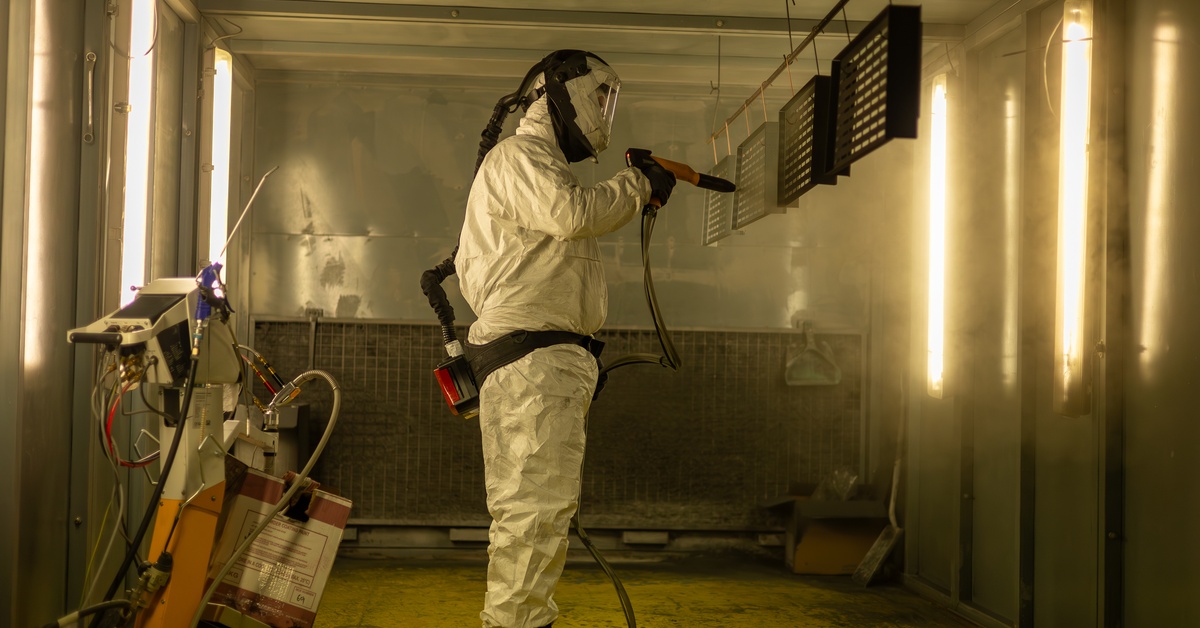
One of the most significant advantages of Teflon coatings is their ability to reduce wear and tear on machinery and equipment. Industries such as manufacturing, automotive, and aerospace rely heavily on mechanical components that face constant friction during operation. Over time, this friction can lead to increased wear, which may result in costly downtime and repairs. By applying Teflon coatings to parts such as gears, bearings, and valves, manufacturers can minimize these issues while maintaining smooth performance.
The low-friction properties of Teflon also help reduce heat generation during mechanical movement, which is crucial for applications that involve high-speed or continuous operations. Excessive heat not only degrades materials but can also compromise the performance and safety of equipment. Teflon’s thermal resistance ensures that heat buildup remains under control, keeping machinery running efficiently and reliably.
Enhancing Performance in Automotive and Aerospace Industries
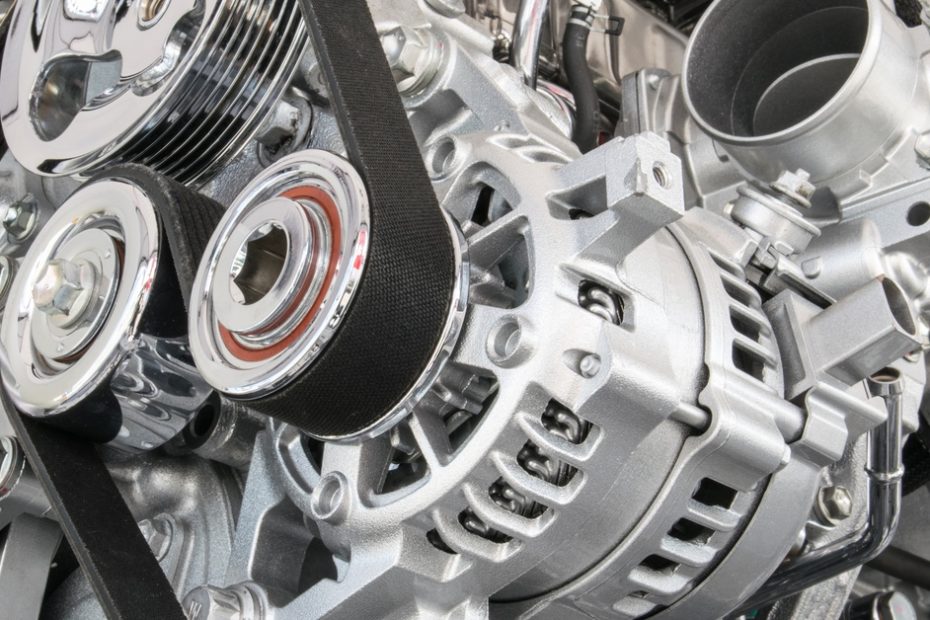
Teflon coatings play a pivotal role in the automotive and aerospace sectors, where precision and reliability are paramount. Many automotive components, such as piston rings, fuel injectors, and transmission parts, are subjected to significant frictional forces. A Teflon coating reduces resistance, resulting in improved fuel efficiency and smoother engine operation. Additionally, the reduced wear on components translates into lower maintenance costs and a longer operational lifespan for vehicles.
Similarly, in the aerospace industry, Teflon coatings are used on critical components such as hydraulic systems, fasteners, and wing flaps. These coatings ensure the smooth functioning of parts under extreme conditions, such as high altitudes and varying temperatures. Whether applied to enhance the aerodynamic performance of aircraft or to protect moving parts from wear, Teflon coatings are integral to the advancement of aerospace technology.
Applications in Food Processing and Medical Fields
Teflon coatings are not limited to industrial and mechanical uses; they also offer significant benefits in food processing and medical applications. In the food industry, Teflon-coated surfaces are widely utilized in conveyor systems, cutting tools, and baking equipment to ensure a non-stick and clean environment. These coatings reduce the need for lubricants, making processes more hygienic while streamlining production.
The medical field also benefits greatly from the low-friction properties of Teflon. Catheters, needles, and surgical instruments are often coated with Teflon to minimize resistance during use, which enhances patient comfort and procedural precision. The biocompatibility of Teflon makes it ideal for use in implants and other medical devices, providing a durable and friction-reducing surface for long-term applications inside the human body.
Improving Energy Efficiency Through Reduced Friction
One of the less obvious yet highly impactful advantages of Teflon coatings is the role they play in improving energy efficiency. Friction is a significant contributor to energy losses in mechanical systems, as it creates resistance that requires additional power to overcome. By reducing friction, Teflon coatings allow machines and equipment to operate with less effort, translating into energy savings over time.
For example, in power generation facilities, Teflon-coated turbine blades and other components can increase efficiency by ensuring smoother operations with minimal resistance. In manufacturing plants, the use of Teflon coatings on conveyor systems and machinery supports more efficient production cycles with reduced power consumption. These energy efficiency benefits align with global efforts to reduce energy waste and promote sustainable industrial practices.
Durability and Versatility in Harsh Environments
PTFE coatings are renowned for their durability and ability to perform in harsh and demanding environments. Their resistance to chemicals, moisture, and extreme temperatures makes them ideal for industries dealing with corrosive substances or fluctuating conditions. For example, in chemical processing plants, Teflon-coated surfaces prevent corrosion and resist chemical degradation, ensuring long-lasting and reliable performance.
The versatility of Teflon extends to applications in outdoor and marine environments, where exposure to water, salt, and ultraviolet light can threaten the integrity of materials. Teflon’s non-stick and low-friction attributes provide a protective barrier that prevents damage and maintains operational efficiency even in such challenging settings.
The Future of Teflon Technology
The application of Teflon coatings continues to evolve as industries innovate and identify new ways to leverage its unique properties. Researchers are exploring advancements in Teflon technology, including enhanced formulations and application techniques that further optimize performance and increase environmental sustainability. Eco-friendly Teflon coatings with minimal environmental impact are gaining traction as industries seek greener alternatives to traditional materials.
The integration of Teflon coatings into emerging fields such as robotics and renewable energy demonstrates their versatility. From improving the durability of robotic components to enhancing the performance of wind turbines and solar panels, the potential for Teflon to revolutionize technological advancements remains vast.

Utilize Teflon Coatings
Teflon coatings have transformed countless industries by offering an unparalleled combination of low-friction, durability, and versatility. Whether reducing wear and tear on industrial equipment, improving energy efficiency, or enabling precision in medical procedures, Teflon continues to push the boundaries of performance across a wide range of applications. Its ability to minimize friction not only optimizes operations but also contributes to a more sustainable and innovative future. As science and engineering continue to unlock new possibilities, Teflon coatings will undoubtedly remain at the forefront of materials technology, empowering industries to achieve greater efficiency and reliability.