 Phone:


In the world of mechanical engineering, friction is both inevitable and costly. When metal parts move against each other, the resulting wear, heat, and energy loss can shorten equipment lifespan and reduce efficiency. While traditional wet lubricants like oils and greases have long been used to combat these issues, they are not always the best solution. In many demanding environments, Teflon coatings used as dry-film lubricants provide a cleaner, more durable, and highly effective alternative.
Teflon, a brand name for polytetrafluoroethylene (PTFE), is widely recognized for its non-stick properties. Teflon coatings as dry-film lubricant in mechanical systems create a thin, low-friction barrier that enhances performance and reliability in a wide range of applications.
Understanding Dry-Film Lubrication
Dry-film lubrication refers to a solid coating applied to a surface to reduce friction between moving parts. Unlike oils or greases, dry films do not remain wet or fluid. Instead, they form a bonded layer that provides consistent lubrication without attracting dust, dirt, or debris.
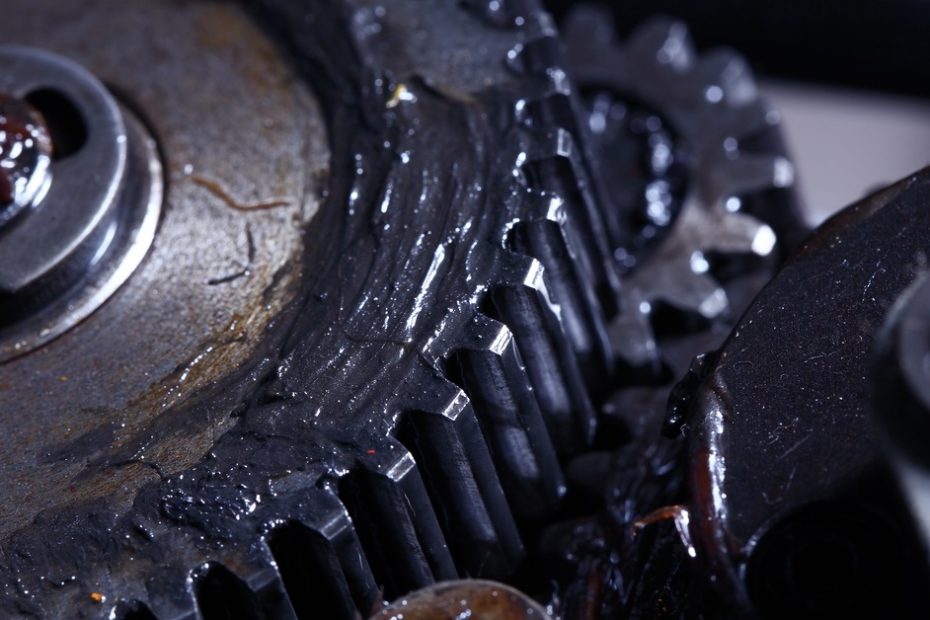
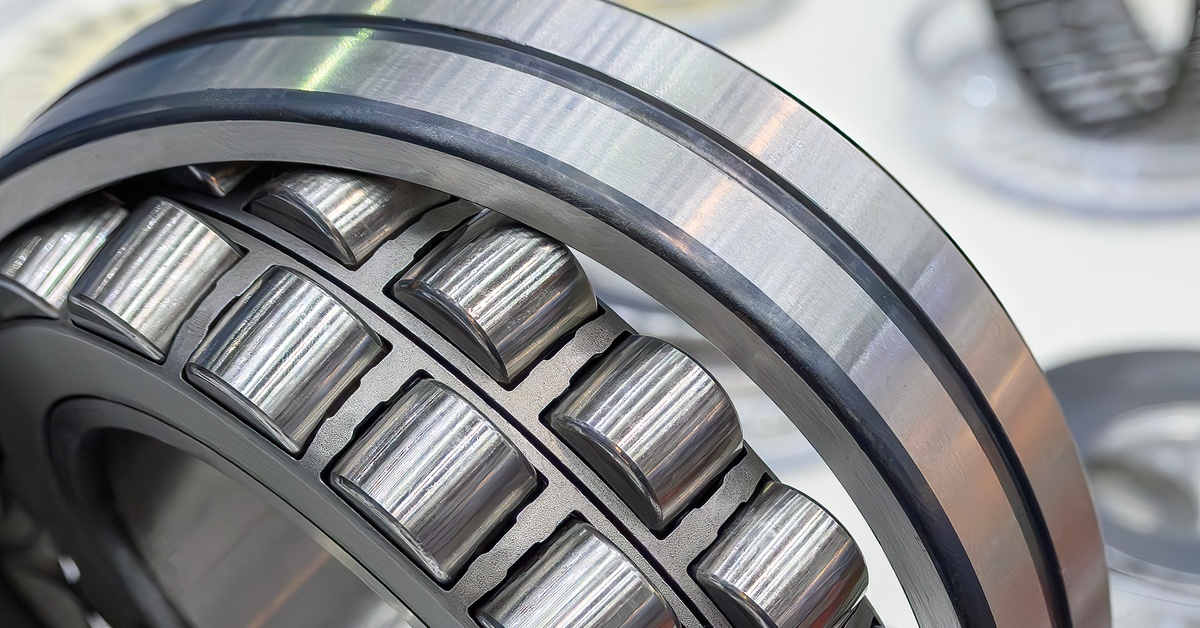
Teflon coatings function exceptionally well in this role because of their extremely low coefficient of friction. When applied to components such as gears, bearings, fasteners, and sliding mechanisms, PTFE creates a smooth interface that minimizes direct metal-to-metal contact. This reduces wear, prevents galling, and limits heat buildup.
One of the defining advantages of dry-film lubricants is their performance in environments where liquid lubricants would fail. High temperatures, vacuum conditions, exposure to chemicals, and contamination-sensitive areas often require a solution that does not evaporate, drip, or degrade easily. Teflon coatings meet these challenges with reliability.
How Teflon Coatings Work in Mechanical Systems
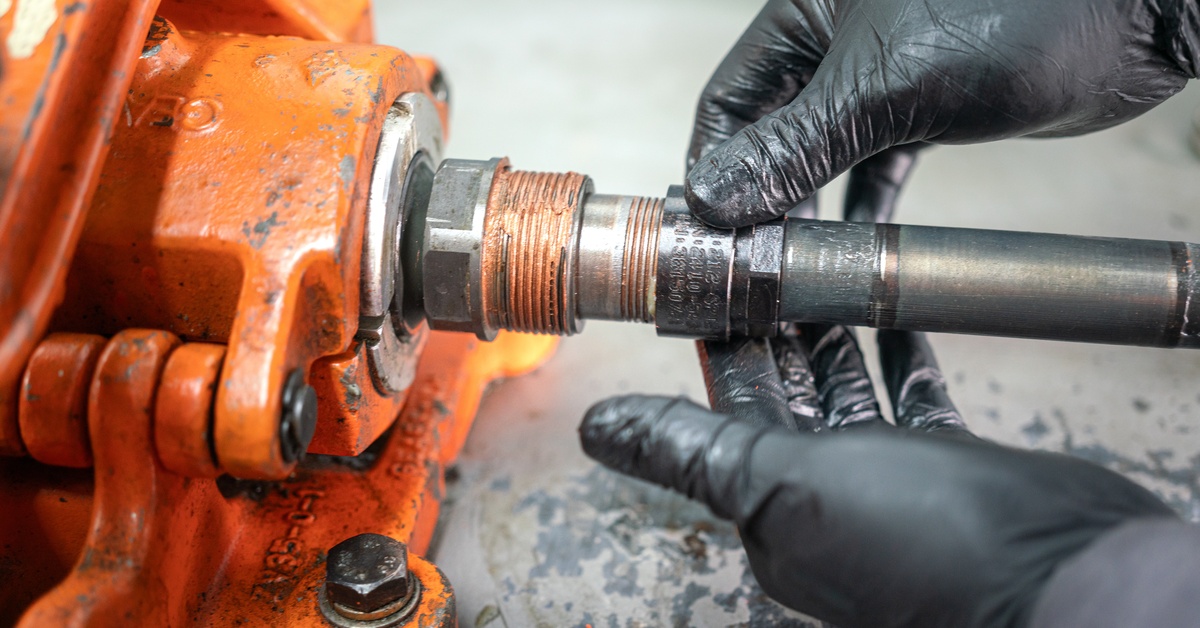
At a microscopic level, Teflon coatings fill surface irregularities and create a uniform protective layer. Mechanical surfaces, even when polished, contain tiny peaks and valleys. When untreated surfaces slide against each other, these imperfections cause friction and abrasion. A PTFE coating smooths the interaction by forming a stable, low-friction film.
Teflon’s molecular structure plays a key role in its performance. The strong carbon-fluorine bonds within PTFE create a material that is chemically inert and resistant to extreme temperatures. This stability allows the coating to maintain its lubricating properties under mechanical stress.
In dynamic systems, this translates into smoother motion, quieter operation, and reduced maintenance needs. Components treated with Teflon coatings often show extended service intervals and improved overall efficiency.
Advantages Over Traditional Lubricants
While oils and greases are effective in many applications, they come with limitations. They can attract contaminants, require frequent reapplication, and degrade over time due to oxidation or heat. In contrast, Teflon dry-film lubricants offer several distinct advantages.
Cleanliness is a major benefit. Because the coating is dry to the touch, it does not collect dust or abrasive particles. This is particularly important in industries such as aerospace, medical device manufacturing, electronics, and food processing, where contamination must be minimized.
Temperature resistance is another significant advantage. PTFE coatings can withstand a wide range of temperatures without breaking down. In high-heat environments, traditional lubricants may thin out or burn off, while Teflon maintains stable performance.
Load-bearing capability is also improved in many cases. Dry-film coatings distribute stress more evenly across surfaces, helping to reduce localized wear. Additionally, Teflon coatings provide corrosion resistance, protecting components from moisture and harsh chemicals.
Applications Across Industries
Teflon coatings as dry-film lubricants are used in an impressive array of mechanical systems. In the automotive industry, they are applied to piston skirts, throttle components, and fasteners to reduce friction and prevent seizing. Their performance contributes to smoother operation and enhanced fuel efficiency.
In aerospace, where weight reduction and reliability are critical, PTFE coatings help minimize friction without adding significant mass. They are used on actuators, control surfaces, and fasteners that must perform under extreme temperatures and pressures.
Industrial manufacturing also benefits from Teflon coatings. Conveyor systems, molds, cutting tools, and sliding assemblies often rely on dry-film lubrication to maintain consistent movement and reduce downtime. Because these coatings resist chemical attack, they are well suited for harsh processing environments.
Medical and food-grade equipment frequently incorporate PTFE coatings due to their non-stick and non-reactive properties. These systems demand both precision and cleanliness, making dry-film lubricants an ideal solution.
Performance in Extreme Conditions
One of the standout features of Teflon coatings is their ability to function in environments where traditional lubricants cannot. In vacuum conditions, such as those found in space applications, liquid lubricants can evaporate or outgas. A bonded dry film remains stable and effective.
Similarly, in dusty or sandy environments, oils can trap abrasive particles, accelerating wear. Teflon coatings eliminate this issue by providing lubrication without stickiness. This makes them especially valuable in off-road equipment, mining operations, and outdoor machinery.
Chemical resistance is another important characteristic. PTFE is highly inert, meaning it does not react easily with acids, solvents, or corrosive substances. Mechanical systems operating in chemical plants or marine environments benefit from this added protection.
Application Methods and Surface Preparation
For Teflon coatings to perform effectively, proper surface preparation is essential. Mechanical components are typically cleaned and roughened through methods such as sandblasting to ensure strong adhesion. The coating is then applied using spray techniques or dipping processes, depending on the component’s geometry and intended use.
After application, the coated parts are cured at controlled temperatures to bond the PTFE film to the substrate. This curing process enhances durability and ensures consistent thickness across the surface.
Precision in application is critical. The coating must be uniform and appropriately thick to provide optimal lubrication without interfering with tolerances. When applied correctly, Teflon coatings integrate seamlessly into the design of mechanical systems.
Extending Equipment Lifespan
Reducing friction is directly linked to extending the operational life of machinery. Excess friction generates heat, accelerates wear, and increases the likelihood of component failure. By minimizing these effects, Teflon dry-film lubricants contribute to longer-lasting equipment.
Lower friction also translates into energy efficiency. Motors and moving assemblies require less force to operate when surfaces glide smoothly. Over time, this can result in measurable cost savings in energy consumption.
Maintenance requirements are often reduced as well. Because dry-film coatings do not require frequent reapplication, downtime associated with lubrication schedules can be minimized. This reliability is especially valuable in high-volume production environments.
The Future of Dry-Film Lubrication
As mechanical systems continue to evolve, the demand for high-performance materials grows. Equipment is expected to operate faster, longer, and under more challenging conditions than ever before. Teflon coatings as dry-film lubricants are well positioned to meet these demands.
Advancements in coating formulations and application techniques are expanding their capabilities. Hybrid coatings that combine PTFE with other solid lubricants or reinforcing agents offer enhanced wear resistance and load capacity. These innovations continue to broaden the range of industries and systems that benefit from dry-film lubrication.
In modern mechanical design, reducing friction is not just about preventing wear. It is about improving efficiency and reliability. Teflon coatings as a dry-film lubricant in mechanical systems provide a proven solution that addresses both goals, making them a valuable asset in today’s complex mechanical systems.
For your own manufacturing needs, it’s critical to partner with a Teflon coating service to ensure your equipment doesn’t suffer from unnecessary wear and tear. KECO Engineered Coatings is here to provide you with that critical service as well as industry-best coatings.