 Phone:



Galling presents a significant challenge in mechanical assembly, especially when dealing with metal-to-metal contact under high pressure or friction. This phenomenon occurs when two surfaces adhere and then tear apart unevenly due to frictional forces, resulting in damage, deformation, or even complete failure of components. Galling is a pervasive issue in various industries, from automotive and aerospace to manufacturing and heavy engineering. However, advances in surface treatments, particularly urethane coatings, have provided an effective solution to mitigate the effects of galling. We’ll look into how urethane coatings solve galling in mechanical assembly, shedding light on the science behind these coatings, their applications, and the benefits they offer.
Understanding Galling
Before exploring how urethane coatings address galling, it is important to understand the mechanics of the problem. Galling occurs when two metal surfaces experience extreme friction under pressure, causing material from one surface to transfer to the other. This typically happens in assemblies with threaded fasteners, gears, or sliding components.
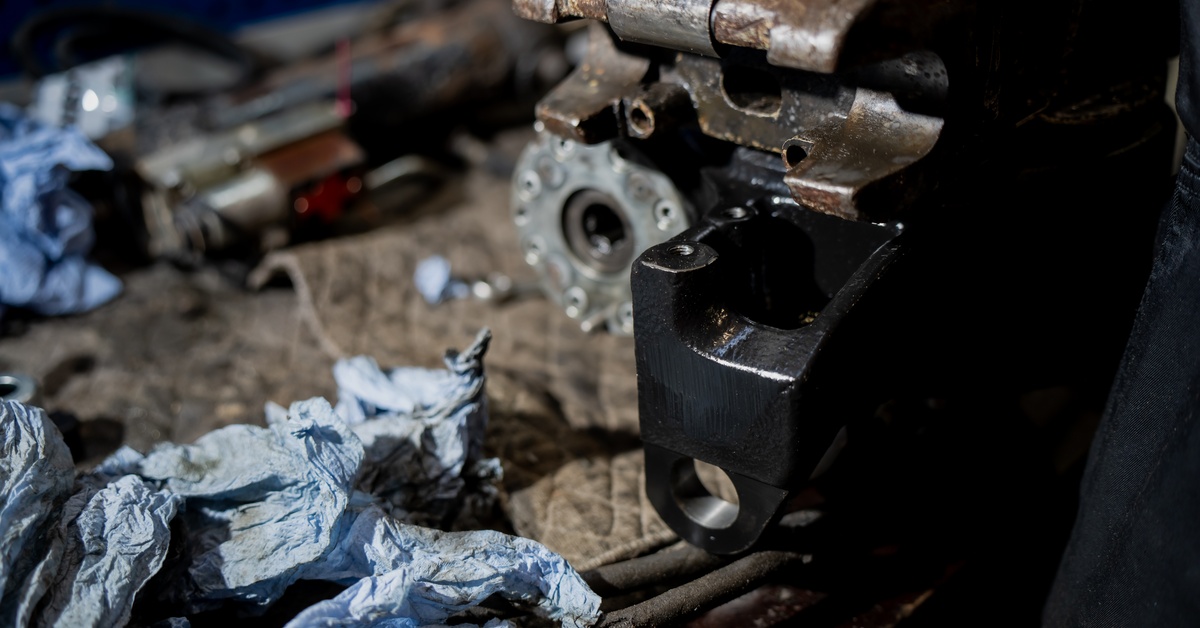
The condition worsens under heavy loads or with materials such as stainless steel, which have a high tendency to gall due to the lack of a naturally lubricating layer. Galling not only causes irreversible damage to equipment but also interrupts operations, leading to costly downtime.
The Role of Urethane Coatings in Preventing Galling
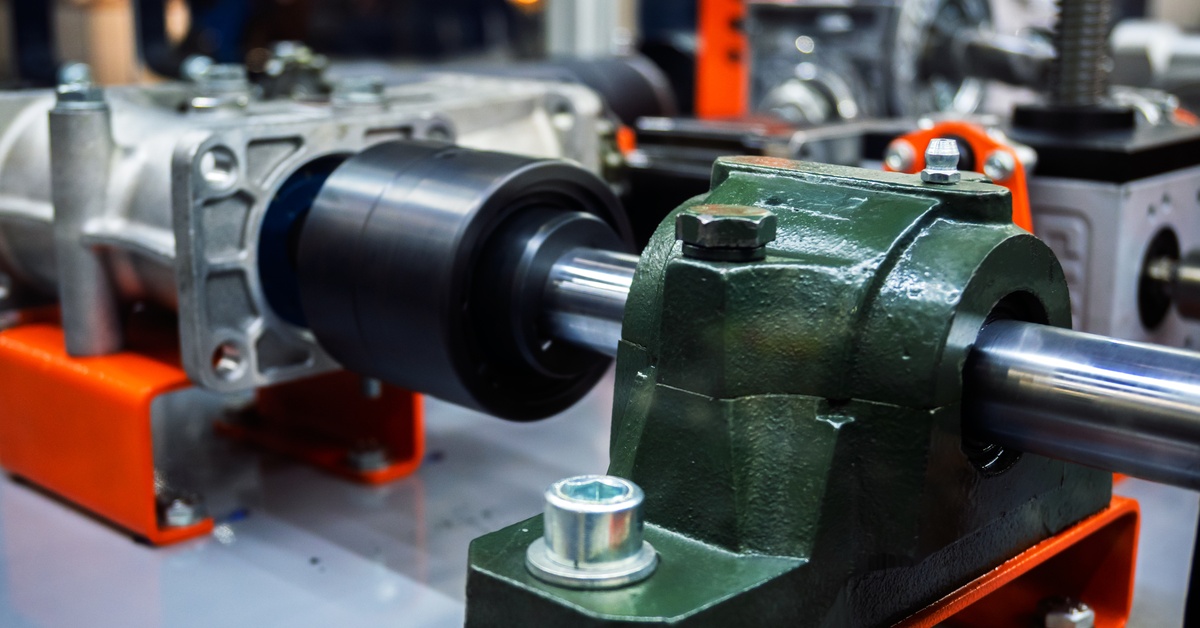
Urethane coatings have emerged as a reliable solution to prevent galling, primarily due to their unique properties. Urethane, a polymer composed of organic units joined by urethane links, provides a durable and flexible protective layer when applied to a surface. The material’s natural elasticity and low coefficient of friction reduce the likelihood of adhesion between contacting surfaces.
This protective coating forms a barrier that minimizes material transfer and mitigates surface wear. By acting as a cushion between metal components, urethane coatings effectively prevent the catastrophic damage associated with galling.
Application of Urethane Coatings in Mechanical Assembly
The process of applying urethane coatings is versatile and can be tailored to various industrial needs. These coatings are often applied via spraying, dipping, or brushing methods, ensuring full surface coverage and creating a uniform protective layer. Once applied, the coatings cure to form a resistant and durable film that adheres seamlessly to the underlying material. Urethane coatings can be applied to a wide range of mechanical components, such as bolts, bearings, and shafts, making them suitable for use in diverse industrial environments.
Another key advantage of urethane coatings is their compatibility with different materials. Whether the machinery components are made of stainless steel, alloys, or other metals prone to galling, urethane coatings provide reliable protection. Engineers and manufacturers benefit from customizable options in terms of thickness, hardness, and flexibility, enabling the coatings to meet the unique demands of specific applications.
Benefits of Urethane Coatings for Galling Prevention
The use of urethane coatings in mechanical assembly offers several significant benefits beyond the prevention of galling.
Reduces Cost of Repair
First and foremost, these coatings reduce maintenance and repair costs. By minimizing surface damage and wear, they prolong the lifespan of mechanical components, reducing the frequency of replacements and associated downtime. This translates to significant cost savings for industries that rely heavily on continuous production.
Efficient Operation
Another key advantage is the enhancement of operational efficiency. When galling occurs, it often disrupts assembly and disassembly processes, causing delays and increasing labor requirements. Urethane-coated components operate more smoothly, allowing for quick and effortless assembly, which is particularly beneficial in industries such as automotive manufacturing and aerospace engineering.
Resists Corrosion
Urethane coatings also excel in enhancing corrosion resistance. Many materials prone to galling are also susceptible to corrosion, especially in environments with high humidity or exposure to chemicals. Urethane coatings act as a protective barrier against environmental factors, reducing the likelihood of both galling and corrosion, and further ensuring the durability of mechanical assemblies.
Reduces Noise
Urethane coatings also contribute to noise reduction in mechanical systems. The elastic nature of the material dampens sound and vibration, creating quieter operations in machinery. This feature is especially valuable in environments like manufacturing facilities, where noise control is crucial for worker safety and comfort.
Real-World Applications in Industry
The use of urethane coatings to prevent galling is not limited to theoretical applications; it has been widely adopted in industries globally. Automotive manufacturers, for example, use these coatings on fasteners and bolts to ensure reliable assembly processes and reduce maintenance requirements. The aerospace industry also benefits from urethane coatings, as they protect critical components in aircraft against galling and wear, all while maintaining precise tolerances critical for safety and performance.
Heavy machinery used in construction and mining also relies on urethane coatings to endure the harsh conditions of these industries. Components such as bearings and gears operate under extreme pressure and are prone to galling without appropriate protection. Urethane coatings ensure that these components function efficiently, even in the most demanding circumstances, while reducing the risk of catastrophic equipment failure.
The Future of Galling Solutions
Advancements in urethane coating technology continue to emerge, driven by the demand for durable and efficient solutions to galling. Innovations in coating formulations are enhancing the performance of urethane layers, improving their durability, chemical resistance, and thermal stability. These advancements are expanding the application range of urethane coatings, making them suitable for even more challenging environments and industries.
Additionally, the integration of environmentally friendly and sustainable practices in coating production is gaining traction. Urethane coatings with reduced volatile organic compounds (VOCs) and improved recyclability align with modern environmental standards, offering manufacturers a way to minimize their ecological impact while still benefiting from high-performance solutions.
Mitigate Wear and Tear
Galling can be a costly and disruptive issue in mechanical assembly, but urethane coatings provide an effective and versatile solution. By creating a protective barrier that reduces friction and wear, these coatings mitigate the risk of galling and improve the overall durability and efficiency of mechanical systems. Industries across the globe stand to benefit from adopting urethane coatings, as they not only prevent damage but also reduce maintenance costs, enhance performance, and ensure smoother operations. With ongoing advancements in technology, urethane coatings are set to play an even larger role in solving galling and other challenges in mechanical engineering. Since urethane coatings can solve galling in mechanical assemblies, manufacturers should take full advantage of the proper treatments to protect their expensive machinery and keep their operations running smoothly.
At KECO Engineered Coatings, we provide a wide variety of industrial coatings for businesses to help them improve their production process. If you have specific questions about what we offer, don’t hesitate to contact us today and find out more about our products.