 Phone:


Industrial equipment operating in high-temperature environments faces constant exposure to thermal stress, oxidation, and premature wear. Without proper protection, excessive heat can reduce component life and negatively impact production efficiency. Thermal barrier coatings help address these challenges by creating a protective layer that insulates surfaces from extreme temperatures.
Understanding what happens during an industrial thermal barrier coating process can help manufacturers, plant managers, and maintenance professionals appreciate the engineering and precision involved. From surface preparation to final inspection, every stage plays a critical role in achieving long-lasting performance and reliable heat protection.
Understanding Thermal Barrier Coatings
Thermal barrier coatings are specialized protective layers designed to reduce heat transfer between a hot environment and the underlying substrate. These coatings are commonly applied to metal components exposed to elevated temperatures in industries such as power generation, automotive manufacturing, aerospace, and industrial manufacturing.
The primary purpose of a thermal barrier coating is to protect components from thermal degradation while improving operational efficiency. By limiting heat penetration, these coatings help maintain the structural integrity of parts that would otherwise experience accelerated wear and damage.
Many thermal barrier systems utilize advanced ceramic materials due to their exceptional heat resistance and insulating properties. These materials create a durable barrier that helps equipment withstand continuous exposure to extreme operating conditions.
The Initial Evaluation Phase
Before any coating is applied, technicians perform a thorough assessment of the component being coated. This evaluation helps determine whether the part is suitable for coating and identifies any existing damage that may require attention.
During this stage, technicians examine the component’s operating environment, temperature exposure, and performance requirements. Understanding these factors helps ensure the selected coating system meets the application’s specific needs.
Engineers may also review dimensions, material composition, and surface condition. This information is critical because different substrates may require different preparation methods and coating formulations to achieve optimal adhesion and performance.
Surface Preparation: The Foundation of Success
Surface preparation is one of the most important steps in the coating process. Even the most advanced coating materials can fail if applied to a poorly prepared surface.
The preparation process typically begins with cleaning the component to remove contaminants such as grease, oils, dirt, oxidation, and residual materials. Any contamination left behind can interfere with coating adhesion and create weak points within the coating system.
After cleaning, abrasive blasting is often performed to create a controlled surface profile. This roughened texture provides mechanical anchoring points that help the coating bond securely to the substrate.
Proper surface preparation not only improves adhesion but also contributes to coating uniformity and long-term durability. Many coating failures can be traced back to inadequate preparation, making this stage essential for achieving reliable performance.
Inspection Before Application
Once the surface preparation process is complete, technicians perform another inspection to verify that the component meets coating specifications.
The surface profile is measured to ensure it falls within acceptable ranges for the coating system being used. Cleanliness standards are also verified to confirm that contaminants have been completely removed.
This inspection step serves as a quality control checkpoint. If any issues are identified, corrective actions are taken before coating begins. Addressing problems at this stage helps prevent costly rework later in the process.
Applying the Bond Coat
In many thermal barrier coating systems, a bond coat is applied before the thermal barrier layer itself. The bond coat serves as an intermediate layer between the substrate and the ceramic topcoat.
The bond coat provides enhanced adhesion while also offering oxidation and corrosion resistance. This additional layer helps maintain the integrity of the coating system when exposed to repeated heating and cooling cycles.
Application methods vary depending on the coating specifications and component geometry. Technicians carefully monitor coating thickness and consistency to ensure uniform coverage across the entire surface.
The bond coat must be applied correctly because it directly influences the performance and longevity of the overall coating system.
Application of the Thermal Barrier Layer
After the bond coat is prepared, the thermal barrier layer is applied. This is the stage most people associate with the coating process because it involves depositing the insulating material that provides heat protection.
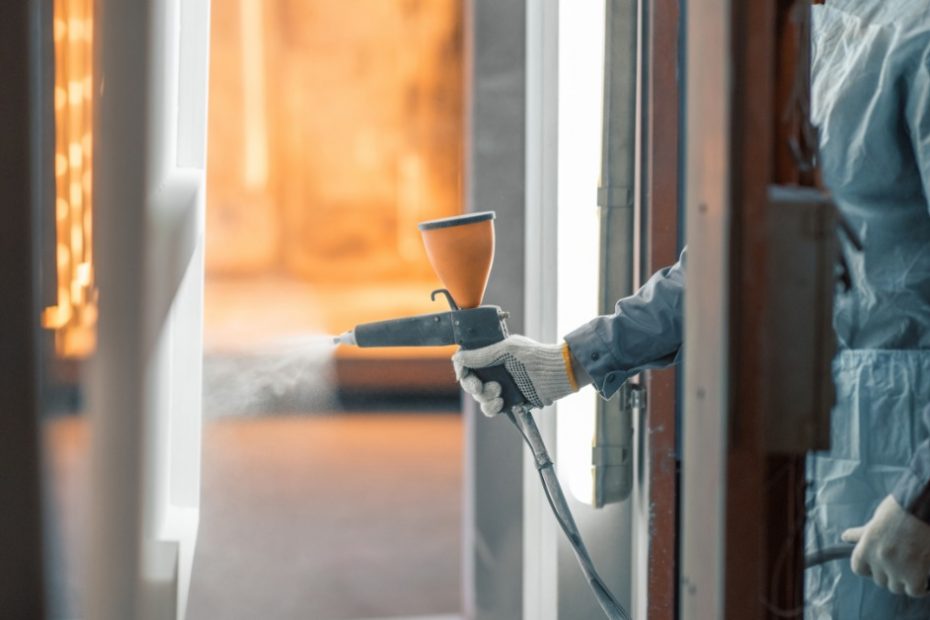
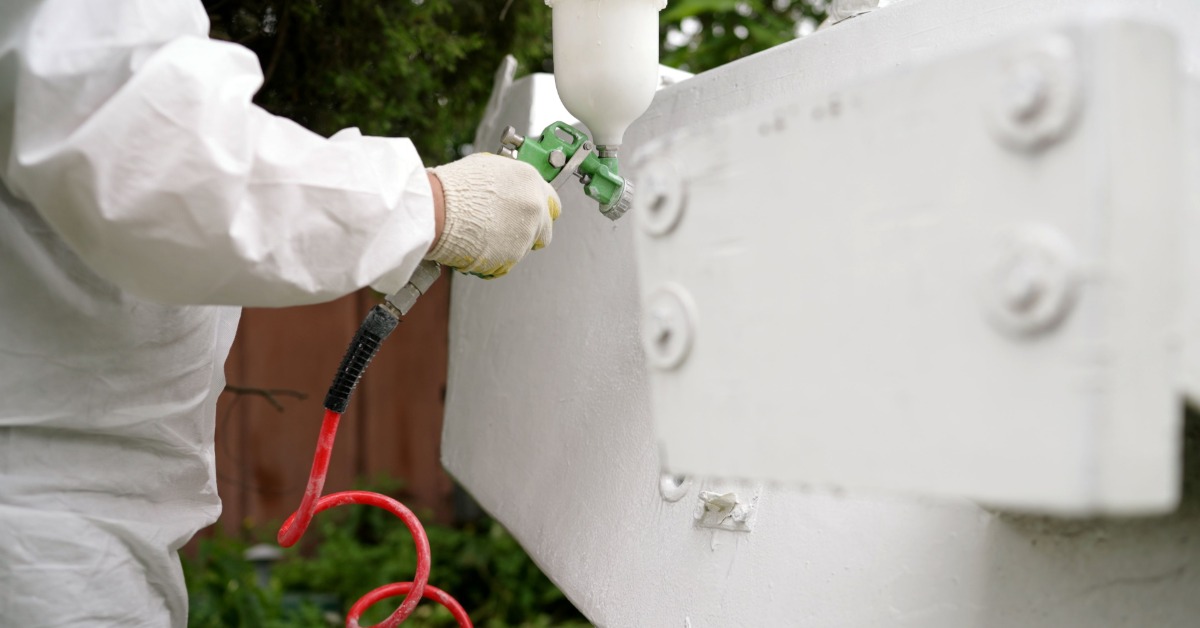
Advanced spray technologies are often used to apply the coating. These processes allow technicians to precisely control coating thickness, density, and coverage.
The coating material is deposited in multiple passes to build the desired thickness gradually. Applying the coating in layers helps maintain consistency and reduces the risk of defects.
At this stage, ceramic thermal coatings are commonly used because they provide exceptional thermal insulation while remaining stable at elevated temperatures. Their ability to resist heat transfer makes them valuable in demanding industrial applications.
Throughout application, technicians continuously monitor process parameters to ensure the coating meets performance specifications.
Curing and Heat Treatment
Once the coating has been applied, curing or heat treatment may be required depending on the coating system.
This stage allows the coating to achieve its intended physical and mechanical properties. Controlled heating can improve coating stability, strengthen bonding, and reduce residual stresses within the coating structure.
The curing process must be carefully managed to avoid introducing defects. Temperature ramp rates, hold times, and cooling schedules are often specified according to coating manufacturer requirements.
Proper curing contributes significantly to the coating’s long-term performance and ability to withstand demanding operating environments.
Quality Testing and Inspection
After curing is complete, the coated component undergoes comprehensive inspection and testing procedures.
Visual inspections are performed to identify surface defects such as cracks, voids, or inconsistent coverage. Technicians also verify coating thickness and overall appearance.
Additional testing may include adhesion evaluation, hardness measurements, and non-destructive examination techniques. These assessments help confirm that the coating meets performance requirements before the component is returned to service.
Quality assurance is a vital part of the process because even minor defects can affect long-term coating reliability. Thorough testing helps ensure that each coated component delivers the expected level of protection.
Performance Benefits After Application
Once installed and operating, thermal barrier coatings provide several important benefits for industrial equipment.
One of the most significant advantages is reduced heat transfer. By limiting thermal penetration, coated components remain cooler and experience less thermal stress.
Thermal barrier coatings can also contribute to longer equipment life by reducing oxidation, minimizing wear, and helping maintain material properties under high-temperature conditions.
Many manufacturers find that coated components require less maintenance and experience fewer heat-related failures. These improvements can translate into reduced downtime and lower operating costs.
Additionally, thermal barrier coatings may support greater process efficiency by helping equipment maintain more stable operating temperatures.
Why Professional Application Matters
The success of a thermal barrier coating depends on far more than simply applying material to a surface. Every stage, from evaluation and preparation to application and inspection, must be carefully controlled.
Experienced coating specialists understand how substrate materials, operating conditions, and coating formulations interact. Their expertise helps ensure that coatings perform as intended in demanding industrial environments.
Because thermal barrier coatings are often used on critical equipment, precision and consistency are essential. Professional application helps maximize coating effectiveness while reducing the risk of premature failure.
Thermal Barriers
Understanding the industrial thermal barrier coating application process reveals the level of engineering and attention to detail required to protect industrial equipment from extreme heat. From surface preparation and bond coat application to curing and final inspection, each stage contributes to the coating’s overall performance.
KECO Engineered Coatings has been developing and applying advanced thermal barrier coating solutions for industrial applications since 1980, helping manufacturers improve equipment performance and longevity through proven coating technologies.