 Phone:


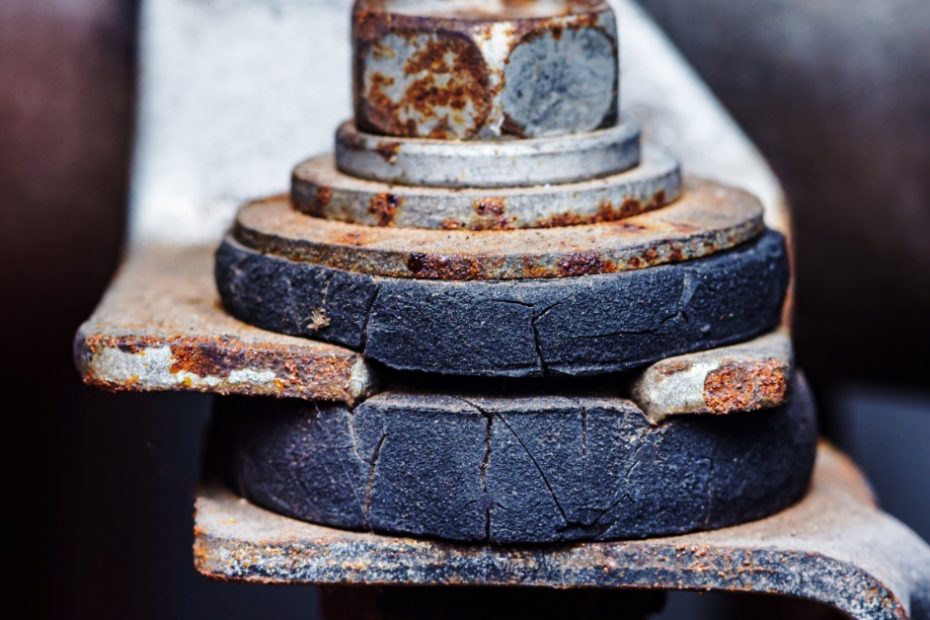
Corrosion is a persistent concern for industrial equipment and components exposed to moisture, chemicals, temperature changes, and other demanding operating conditions. Over time, these factors can degrade metal surfaces, affect equipment performance, and contribute to maintenance or replacement requirements. For industrial plant managers and maintenance teams, controlling corrosion is therefore an important part of protecting valuable equipment.
Understanding the role of coatings in long-term corrosion protection starts with recognizing how protective coatings separate vulnerable substrates from potentially corrosive environments. Depending on the coating and application, this protective layer can help reduce exposure to conditions that contribute to surface deterioration.
Why Corrosion Is a Long-Term Industrial Concern
Corrosion occurs when a material reacts with its surrounding environment, resulting in gradual deterioration. For metals, exposure to water, oxygen, salts, chemicals, or other substances can create conditions that encourage corrosive reactions.
The challenge is that corrosion does not always create an immediate equipment failure. Deterioration can develop progressively, making long-term protection an important consideration when specifying components or planning maintenance.
Industrial environments can also expose equipment to several stresses at once. A component may encounter moisture while also experiencing chemicals, elevated temperatures, abrasion, or repeated cleaning cycles. Protective strategies must account for the actual service environment rather than treating corrosion as an isolated concern.
How Protective Coatings Help Control Corrosion
A coating can act as a barrier between a substrate and the surrounding environment. By limiting direct contact with corrosive substances, an appropriately selected coating helps protect the underlying material from conditions that contribute to degradation.
The effectiveness of that barrier depends on several factors, including coating chemistry, application quality, substrate preparation, and operating conditions. The coating must be compatible with the environment in which the component will operate.
This is particularly important when equipment is regularly exposed to aggressive chemicals or moisture. A coating intended for one operating environment may not provide the same level of protection in another, which makes application-specific coating selection essential.

The Importance of Proper Surface Preparation
Long-term coating performance begins before the coating material is applied. The condition of the substrate can influence adhesion and the integrity of the finished coating system.
Contaminants, oils, corrosion, and other unwanted surface materials can interfere with coating adhesion if they are not properly addressed. Preparing the surface according to the requirements of the coating process helps establish a suitable foundation for the protective layer.
Surface preparation is especially important for corrosion protection because defects in the coating system may provide pathways for moisture or chemicals to reach the substrate. Careful preparation and application help support more consistent coverage and coating performance.
Matching Coating Properties to the Environment
There is no single protective coating that is appropriate for every industrial application. Different coating technologies provide different performance characteristics, making operating conditions a major factor in coating selection.
Chemical exposure, operating temperature, friction, abrasion, substrate material, and cleaning requirements can all affect the choice. Evaluating these conditions helps determine which coating properties are most important for the application.
For example, fluoropolymer coatings may be considered where chemical resistance or release properties are important. Urethane systems can serve applications where durability and resistance to wear are key considerations, while ceramic thermal barriers are designed for applications involving elevated temperatures.
Corrosion Protection and Chemical Exposure
Industrial equipment can encounter a wide variety of chemicals throughout normal operation. Processing materials, cleaning agents, oils, and other substances may interact with exposed metal surfaces and contribute to deterioration.
A coating with suitable chemical-resistance properties can provide a barrier that reduces direct interaction between these substances and the underlying substrate. The specific chemicals involved, their concentrations, operating temperatures, and exposure durations should all be considered when determining coating suitability.
This makes chemical compatibility an important part of planning for long-term corrosion resistance. Selecting a coating based solely on general durability may overlook the specific environmental conditions responsible for corrosion.
Managing Moisture and Environmental Exposure
Water and humidity are common contributors to corrosion, especially when metal equipment operates in wet, humid, or frequently washed environments. Repeated exposure can become particularly challenging when moisture reaches areas that are difficult to dry or inspect.
Protective coatings can help isolate metal surfaces from moisture. Maintaining a continuous barrier reduces opportunities for environmental exposure to reach the substrate directly.
This protection can be valuable for equipment that experiences routine washdowns or operates in environments where moisture cannot be completely avoided. Coating selection should still account for other factors present in the same environment, such as temperature and chemical exposure.
Combining Corrosion Resistance With Other Performance Needs
Corrosion protection is rarely the only requirement for industrial equipment. Components may also need to resist wear, withstand heat, provide release characteristics, or simplify cleaning.
In certain applications, non-stick coatings can provide surface properties that help reduce material adhesion while also offering characteristics suited to the operating environment. The coating decision should consider the complete set of performance demands rather than focusing on a single property.
This broader approach helps ensure that corrosion protection does not come at the expense of other functional requirements. A well-matched coating system should support the component’s intended operation and the conditions it encounters during service.

Why Coating Integrity Matters Over Time
The long-term value of a protective coating depends on maintaining the integrity of the barrier. Wear, mechanical damage, excessive heat, or exposure beyond the coating’s intended operating conditions can affect performance.
Regular equipment inspections can help maintenance personnel identify changes in coated surfaces before more significant substrate exposure develops. The appropriate inspection schedule depends on operating conditions, component function, and the type of coating used.
Coatings should therefore be viewed as part of an overall equipment protection and maintenance strategy. Proper specification, application, operation, and inspection all contribute to sustained performance.
Building a Long-Term Corrosion Protection Strategy
Ultimately, how protective coatings contribute to long-term corrosion resistance depends on the relationship between the coating, substrate, operating environment, and application process. Corrosion protection is most effective when these factors are evaluated together instead of relying on a coating as a universal solution.
A properly selected coating can provide an important barrier against moisture, chemicals, and other environmental conditions that contribute to material degradation. When paired with appropriate preparation and ongoing inspection, coatings can become an integral part of protecting industrial equipment over its service life.