 Phone:


Industrial equipment operates in some of the harshest environments imaginable. Constant exposure to heat, chemicals, abrasion, moisture, and heavy mechanical stress can quickly wear down components, resulting in costly repairs and production downtime. One of the most effective ways to extend equipment life and improve operational efficiency is by selecting the right protective coating. Having a complete guide to industrial coatings and their uses explains how different coating technologies protect equipment and address specific application challenges.
What Are Industrial Coatings?
Industrial coatings are specialized protective materials applied to metal and other substrates to improve performance under demanding operating conditions. Unlike decorative coatings that focus primarily on appearance, industrial coatings are engineered to provide functional benefits such as corrosion resistance, chemical protection, nonstick performance, thermal insulation, abrasion resistance, and wear protection.
These coatings become part of the component’s surface, creating a durable barrier that helps prevent damage caused by environmental exposure or everyday operation. Many industrial facilities rely on advanced coating systems to increase equipment longevity while minimizing production interruptions.
Choosing the appropriate coating depends on several variables, including operating temperature, exposure to chemicals, mechanical wear, food safety requirements, and the specific function of the equipment.
Why Industrial Coatings Matter
Manufacturing operations demand consistent performance from every piece of equipment. Components that experience excessive wear or corrosion often require frequent maintenance, increasing labor costs and reducing productivity.
Industrial coatings provide an additional layer of protection that helps preserve critical equipment while improving operating efficiency. Instead of replacing worn components, manufacturers can often extend their service life through properly engineered coating systems.
Beyond equipment protection, coatings frequently improve process performance. Nonstick surfaces reduce product buildup, corrosion-resistant coatings prevent material degradation, and thermal barrier coatings help manage extreme operating temperatures.
The result is improved reliability, longer maintenance intervals, and reduced total ownership costs.
Teflon Coatings for Nonstick Performance
Among the most widely recognized industrial coating technologies are Teflon fluoropolymer coatings. These coatings are valued for their outstanding release characteristics, chemical resistance, and low coefficient of friction.
Teflon coatings help materials slide easily across equipment surfaces, minimizing sticking and reducing cleanup time. They are commonly used in food processing equipment, packaging machinery, conveyors, molds, chutes, hoppers, and heat sealing applications.
Because fluoropolymer coatings also resist many aggressive chemicals, they provide excellent protection in industries where equipment encounters corrosive cleaning agents or harsh processing environments.
Their combination of nonstick performance and chemical resistance makes them one of the most versatile coating solutions available.
Ceramic Thermal Barrier Coatings
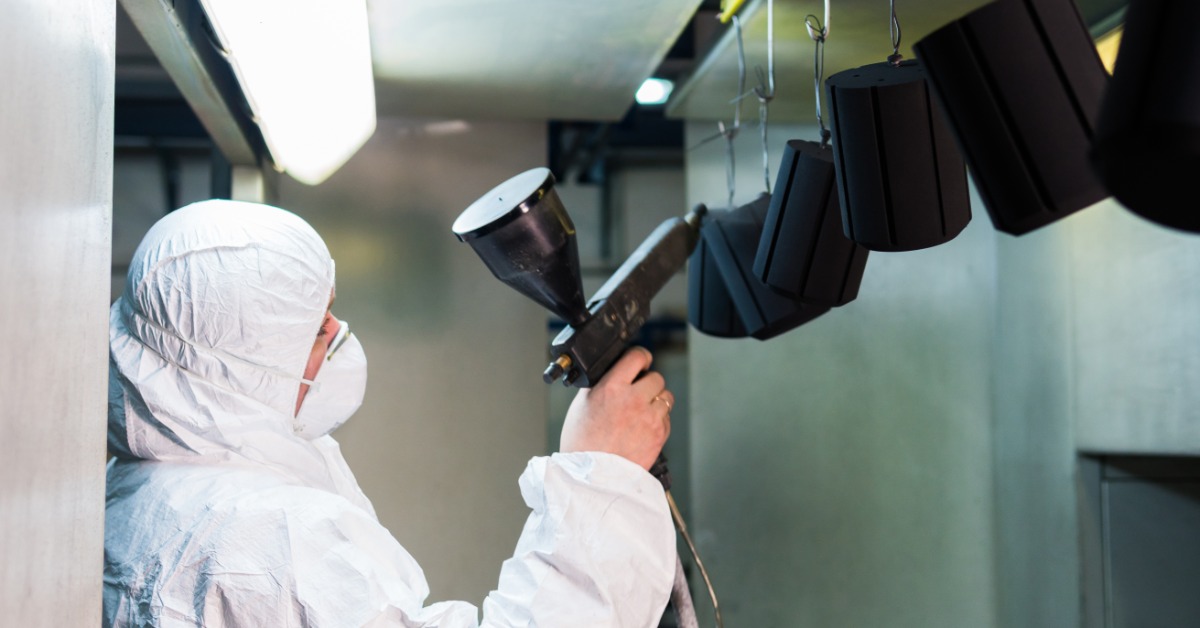
High-temperature manufacturing environments require protection that conventional coatings cannot provide. Ceramic thermal barrier coatings are specifically engineered to withstand elevated temperatures while reducing heat transfer.
These coatings protect equipment from thermal degradation, helping components maintain structural integrity under continuous heat exposure. They are frequently specified for exhaust systems, industrial ovens, processing equipment, heat exchangers, and various high-temperature manufacturing applications.
Thermal barrier coatings can also improve energy efficiency by reducing heat loss and helping systems maintain more consistent operating temperatures. In many cases, improved thermal management contributes to longer equipment life and more predictable process performance.
Urethane Coatings for Wear Resistance
Some manufacturing environments place heavy mechanical demands on equipment surfaces. Components subjected to abrasion, impact, or repetitive material handling require coatings capable of resisting physical wear.
Urethane coatings provide exceptional abrasion resistance while maintaining flexibility that helps absorb impacts without cracking. They perform well in applications involving bulk material handling, conveyor components, rollers, chutes, and industrial machinery that experiences constant friction.
Their durability makes urethane coatings an effective solution where equipment longevity and reduced maintenance are priorities.
Corrosion-Resistant Fluoropolymer Coatings
Many industrial processes involve aggressive chemicals that can rapidly degrade unprotected metal surfaces. Corrosion-resistant fluoropolymer coatings create an effective barrier against moisture, acids, solvents, and other corrosive substances.
These coatings are frequently used on tanks, piping systems, valves, pumps, mixing equipment, and processing vessels operating in chemical manufacturing environments.
By preventing corrosion before it begins, these coatings reduce maintenance requirements while extending the usable life of expensive production equipment.
Choosing the Right Coating for Your Application
Selecting an industrial coating involves more than choosing a product from a catalog. Every application presents unique operating conditions that influence coating performance.
Temperature is often the first consideration. Equipment exposed to continuous high heat requires coating systems designed specifically for thermal resistance, while moderate-temperature applications may benefit more from abrasion or chemical protection.
Chemical exposure is another critical factor. Acids, solvents, cleaners, oils, and other process materials each require coatings engineered to withstand those environments without degrading.
Surface friction also plays an important role. Applications involving product movement, material release, or frequent cleaning often benefit from low-friction fluoropolymer coatings that improve process efficiency.
Mechanical wear must also be evaluated. Components subjected to repeated abrasion, impact, or heavy loads require durable coatings capable of resisting physical damage over extended operating cycles.
Working with experienced coating specialists helps ensure the selected system matches actual operating conditions rather than simply addressing one performance requirement.
Industries That Benefit from Industrial Coatings
Industrial coatings serve virtually every manufacturing sector because equipment protection is essential regardless of industry.
Food processing companies rely on nonstick coatings to improve sanitation, reduce cleaning time, and support efficient production. Chemical manufacturers depend on corrosion-resistant coatings that protect valuable processing equipment from aggressive substances.
Automotive manufacturers use specialized coatings to improve durability throughout production equipment and tooling. Packaging operations frequently specify low-friction coatings that increase production efficiency while minimizing product buildup.
Power generation facilities, marine operations, aerospace manufacturers, and heavy industrial operations also depend on engineered coatings that help equipment withstand demanding operating environments.
Although each industry faces different challenges, the objective remains the same: protecting equipment while maximizing operational performance.
Application Quality Makes the Difference
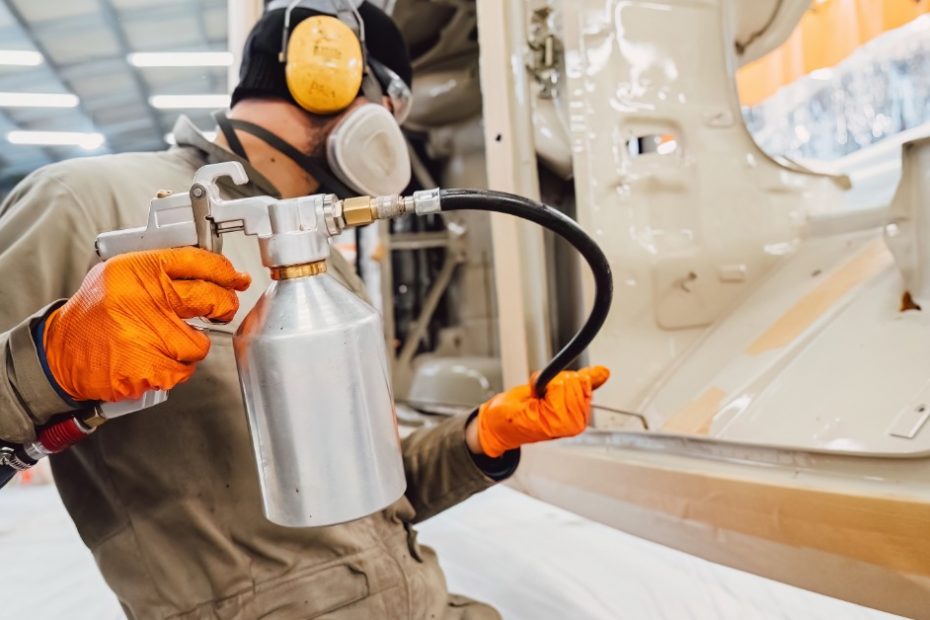
Even the highest-performing coating will not deliver expected results if it is applied improperly. Successful coating performance begins with proper surface preparation.
Cleaning, blasting, and preparing the substrate ensures strong adhesion between the coating and the base material. Application methods, curing procedures, coating thickness, and quality inspection all influence long-term durability.
Experienced coating applicators follow carefully controlled processes that produce consistent, repeatable results. Quality assurance throughout the application process helps verify that every coated component meets required performance standards before entering service.
Proper application is just as important as selecting the right coating technology.
Long-Term Benefits of Industrial Coatings
The value of industrial coatings extends well beyond protecting individual components. Facilities that invest in engineered coating solutions often experience measurable improvements throughout their operations.
Equipment remains in service longer because protective coatings reduce wear, corrosion, and thermal damage. Maintenance schedules become more predictable, allowing maintenance teams to focus on planned repairs instead of emergency failures.
Improved equipment efficiency can also support higher production output while lowering operating costs. Nonstick coatings reduce cleaning time, corrosion-resistant coatings minimize equipment replacement, and thermal coatings improve process stability under demanding operating conditions.
These combined benefits contribute to greater equipment reliability and improved return on investment over the life of the machinery.
Industrial Coatings
Selecting the appropriate coating requires understanding both the operating environment and the performance characteristics of each coating technology. Understanding industrial coating types and their applications demonstrates that there is no single solution for every application. Instead, manufacturers achieve the best results by matching coating performance to specific operating conditions.