 Phone:


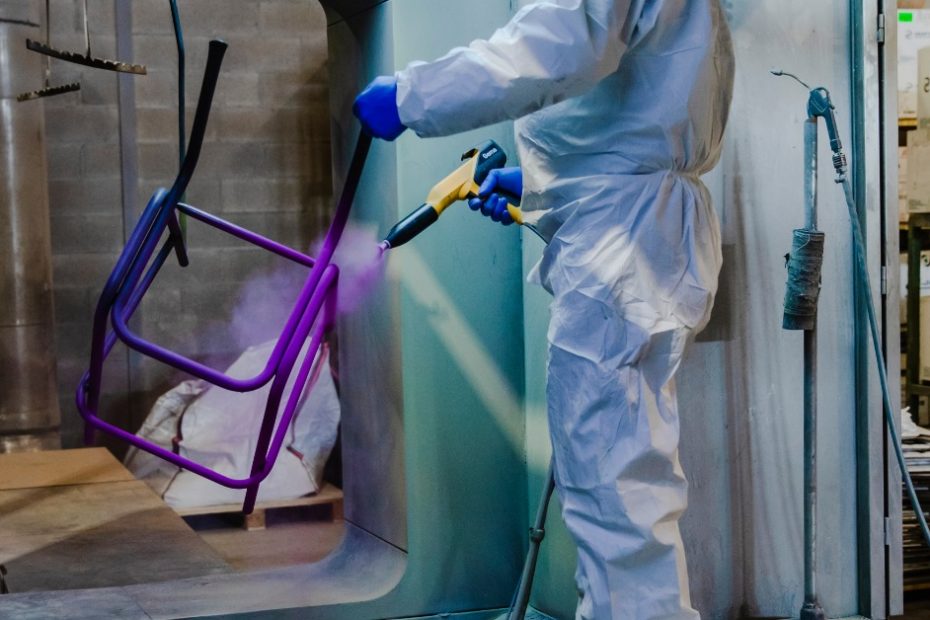
Successful industrial coating starts well before a spray gun, powder system, or other application equipment reaches a part. Surface condition, handling practices, and communication between the manufacturer and coating provider all influence whether the finished layer bonds consistently and performs as intended. Understanding how to prepare parts for industrial coating application helps plant managers and maintenance teams reduce avoidable rework while protecting critical components.
Preparation is not a single cleaning step. It is a controlled sequence that accounts for the base material, service environment, coating chemistry, and required finished dimensions. The correct sequence varies by project, but the following considerations provide a practical foundation for planning.
Review the Part and Its Operating Requirements
Begin by identifying the substrate, including its alloy or other material specification, prior treatments, and current condition. A coating suitable for one metal may require different preparation on another, while plastics and other heat-sensitive materials introduce additional restrictions. Confirm whether the part is new, refurbished, or previously coated because each condition can change the work involved.
Document the environment the coated component will face. Chemical exposure, abrasion, operating temperature, cleaning cycles, and contact with other parts can affect coating selection and preparation requirements. Share drawings, tolerances, and any applicable performance specifications with the coating provider before work begins.
Also identify functional surfaces that cannot tolerate added thickness or altered texture. Threads, precision bores, sealing faces, and electrical contact points may need protection during processing. Addressing these details early helps avoid fit problems after coating.
Inspect for Damage and Existing Surface Treatments
Inspect each part for cracks, deep pitting, burrs, distortion, and other defects that a coating will not repair. Surface coatings generally follow the underlying geometry, so significant damage can remain visible or compromise service performance. Components with structural defects should be evaluated for repair or replacement before coating preparation continues.
Determine whether old paint, plating, oxide layers, or previous industrial coatings are present. Some existing layers must be removed to establish a suitable bonding surface, but removal methods depend on the substrate and the new coating system. Do not assume aggressive stripping is safe for every component.
Record any unusual wear patterns or recurring failures. These observations can help the applicator distinguish between a surface-preparation issue and an operating condition that requires a different coating specification.
Remove Oils, Residues, and Contaminants
Machining fluids, grease, fingerprints, dust, and shop residues can interfere with coating adhesion. Cleaning should be matched to the contamination present and the substrate being processed. Depending on the job, the approved process may involve aqueous cleaning, solvent cleaning, or another controlled method.
Pay particular attention to blind holes, seams, porous surfaces, and recessed features where contamination can remain trapped. Residual cleaning agents are also contaminants, so rinsing and drying must be completed as required by the process. A surface that looks clean is not necessarily ready for coating.
Avoid touching cleaned areas with bare hands. Use clean gloves and suitable handling fixtures to limit the transfer of oils back onto prepared surfaces. If parts must wait before the next operation, protect them from airborne debris and moisture.
Establish the Required Surface Profile
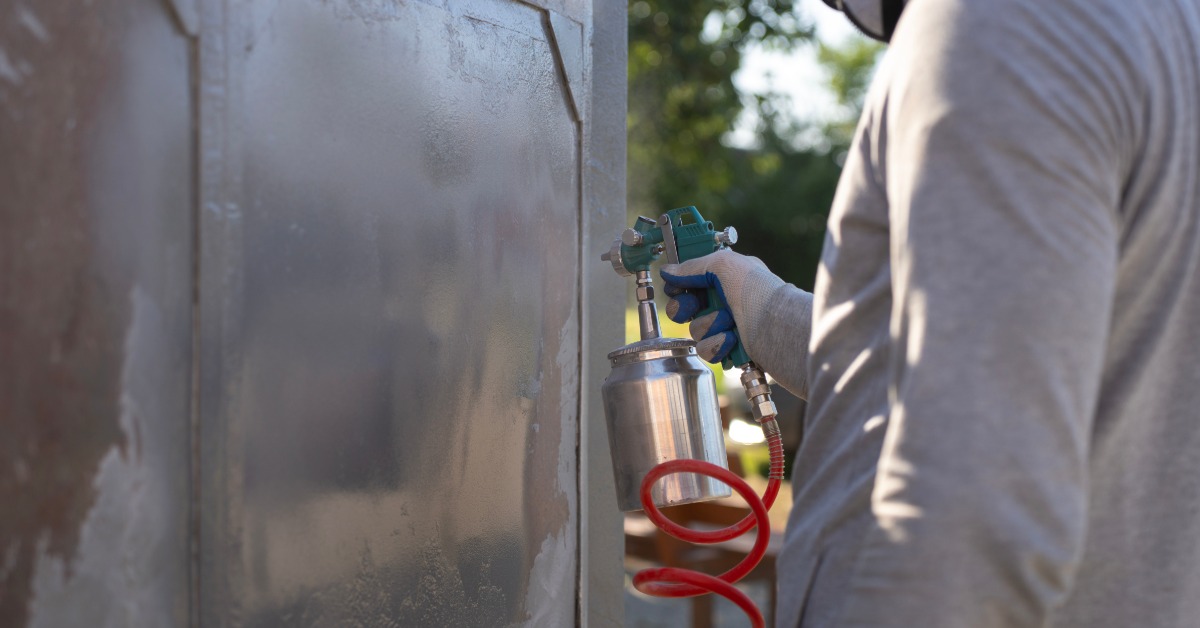
Many coating systems need a defined surface texture to support adhesion. Abrasive blasting or another approved mechanical treatment may be used to remove weak surface material and create an appropriate profile. However, the target roughness, abrasive type, pressure, and exposure time must follow the coating specification and the part’s limitations.
Excessively aggressive preparation can round edges, change dimensions, or damage thin sections. Insufficient preparation may leave a surface too smooth or contaminated for reliable bonding. Precision parts therefore require a balance between surface activation and dimensional control.
Some systems use chemical pretreatment, conversion layers, primers, or other methods instead of, or in addition to, blasting. The applicator should define the method rather than treating one preparation technique as universally suitable.
Plan Masking, Fixturing, and Handling
Masking keeps coating off surfaces that must remain uncoated. Establish masking boundaries from the drawing and confirm whether transition lines, holes, threads, or mating surfaces need special attention. Materials used for masking must be compatible with the application and cure conditions.
Fixturing also deserves planning. Parts must be held securely while allowing access to surfaces that require coverage, and contact points should be placed where they will not compromise critical areas. For complex geometries, coating orientation can affect coverage and drainage.
Handling procedures should prevent freshly prepared parts from striking one another or picking up new contamination. Organized racks, identification labels, and clean storage areas make it easier to maintain preparation quality between operations.
Account for Temperature and Cure Requirements
Industrial coatings can have specific application and curing temperature requirements. Before sending parts for processing, confirm that the substrate, welds, brazed joints, inserts, seals, and any attached materials can withstand the planned thermal cycle. Temperature-sensitive assemblies may need disassembly or a different approved coating process.
Part geometry and mass also influence heating and cooling behavior. Large sections may reach processing temperature differently from thin edges, and enclosed cavities can create additional concerns. The coating provider should assess these factors when developing the process route.
Never assume that a coating advertised for high-temperature service requires the same temperature during application. Service limits and processing conditions are separate specifications that must both be verified.

Verify Cleanliness and Preparation Before Coating
A pre-application inspection should confirm that the surface is dry, free from visible contamination, and consistent with the specified profile or pretreatment. Inspect masked areas and confirm that required dimensions and identifying marks remain protected. Where the specification calls for testing or documented checks, complete them before coating begins.
Consistency matters across batches. Recording preparation methods, inspection findings, and any deviations makes it easier to investigate defects and repeat a successful process.
If prepared parts are stored or shipped, establish packaging and time limits appropriate to the substrate and process. Corrosion or contamination introduced after preparation can undo earlier work and may require additional cleaning or treatment.
Coordinate With an Experienced Coating Provider
The best preparation plan is developed around the actual component and its intended use. Discuss coating goals, substrate condition, production volume, and turnaround needs with the applicator before committing to a process. This coordination is particularly important when specifying high-performance coatings for demanding industrial environments.
Ultimately, preparing industrial parts for a coating application means controlling the surface and the process together. Careful inspection, cleaning, pretreatment, masking, and verification help create the conditions for consistent coating results. Contact KECO to discuss your parts and the requirements of your next industrial coating project.