 Phone:


When manufacturers invest in Teflon coatings, they expect reliable nonstick performance, wear resistance, and long service life. However, the effectiveness of any coating depends on more than the coating material itself. One of the most important factors influencing performance is what happens before the coating is applied.
The role of surface preparation in Teflon coatings cannot be overstated. Proper preparation creates the foundation that allows a coating to bond securely to a substrate, withstand operating conditions, and deliver consistent performance throughout its lifespan. Without adequate preparation, even the highest-quality coating system can experience premature failure, resulting in increased maintenance costs, downtime, and reduced equipment efficiency.
Understanding how surface preparation contributes to coating success can help manufacturers make informed decisions when selecting coating partners and specifying coating systems for demanding applications.
Why Surface Preparation Matters
Teflon coatings are commonly applied to metal components used in industrial environments. These components often face exposure to heat, chemicals, abrasion, moisture, and repeated cleaning cycles. To perform effectively, the coating must maintain a strong bond with the underlying substrate.
Surface preparation creates the mechanical and chemical conditions necessary for adhesion. Contaminants such as oils, grease, oxidation, rust, dirt, and previous coatings can interfere with bonding. If these materials remain on the surface, the coating may fail to adhere properly.
A properly prepared surface provides a clean and uniform foundation. This allows the coating to anchor itself securely and creates the conditions necessary for optimal performance. The result is improved durability, better wear resistance, and greater reliability in demanding operating environments.
The Relationship Between Adhesion and Performance
Adhesion is one of the most critical characteristics of any coating system. A coating that does not bond properly can peel, chip, blister, or delaminate under normal operating conditions.
Surface preparation directly impacts adhesion by modifying the substrate and removing anything that could interfere with bonding. During preparation, technicians create a surface profile that promotes mechanical attachment between the coating and the substrate.
Strong adhesion contributes to several performance benefits. Components experience improved resistance to abrasion and impact. Coatings maintain their protective properties for longer periods. Maintenance intervals can be extended, and equipment reliability is enhanced.
For industrial equipment, these advantages often translate into measurable cost savings over the life of the component.
Cleaning: The First Step Toward Success
Every successful coating project begins with thorough cleaning. Even surfaces that appear clean to the naked eye may contain contaminants that can compromise coating performance.
Industrial components frequently accumulate oils, lubricants, machining fluids, fingerprints, and environmental debris. These contaminants create barriers that prevent proper bonding between the coating and substrate.
Cleaning processes may involve specialized solvents, alkaline cleaners, or other approved methods designed to remove contaminants without damaging the underlying material. The objective is to expose a completely clean surface that is ready for further preparation.
Skipping or rushing this step can create adhesion issues that become apparent only after the component enters service. Proper cleaning helps ensure that subsequent preparation methods can achieve the desired results.

Abrasive Blasting and Surface Profiling
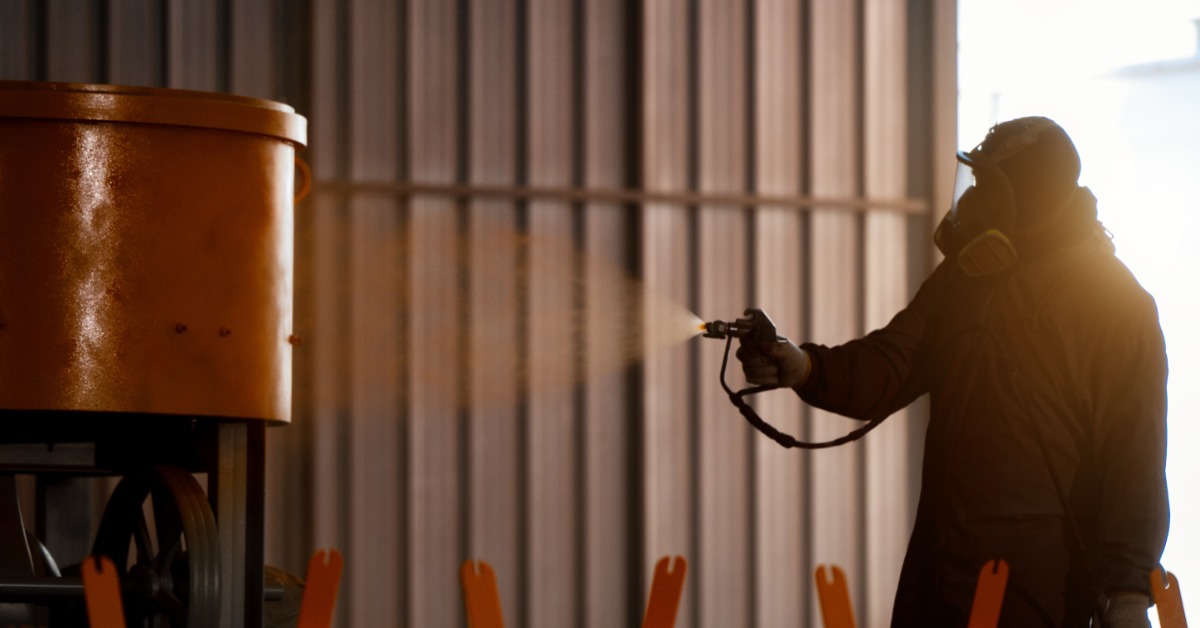
One of the most common preparation methods for metal substrates is abrasive blasting. This process removes oxidation, scale, corrosion, and other surface imperfections while creating a controlled surface profile.
The microscopic roughness generated through blasting increases the available surface area and provides anchor points for the coating. These anchor points improve mechanical adhesion and help the coating resist separation from the substrate.
The blasting media, pressure, and technique must be carefully selected based on the substrate material and coating requirements. Excessive blasting can damage sensitive components, while insufficient blasting may fail to create an adequate profile.
Experienced coating applicators understand how to balance these factors to achieve optimal results. Proper surface profiling contributes significantly to coating longevity and performance.
Addressing Surface Defects Before Coating
Surface preparation is not limited to cleaning and profiling. It also involves identifying and addressing defects that could compromise coating performance.
Metal substrates may contain scratches, pits, corrosion damage, weld imperfections, or machining marks. If left untreated, these defects can create weak points within the coating system.
Inspection during preparation allows technicians to identify potential issues before coating application begins. Depending on the condition of the substrate, repairs or additional preparation steps may be necessary.
Addressing defects early helps create a more uniform coating surface and reduces the likelihood of premature failures. It also supports consistent coating thickness and appearance across the component.
The Importance of Consistency
Surface preparation must be performed consistently across every part of a component. Variations in cleanliness or surface profile can lead to uneven coating performance.
For example, one area of a component may achieve excellent adhesion while another area experiences premature wear due to inadequate preparation. Such inconsistencies can reduce the overall effectiveness of the coating system.
Professional coating facilities utilize documented preparation procedures and quality control measures to ensure consistency. These processes help verify that each component receives the same level of preparation before coating application.
Consistency becomes particularly important in high-volume manufacturing environments where repeatable performance is essential.
How Surface Preparation Supports Nonstick Performance
One of the primary reasons manufacturers select Teflon coatings is their exceptional nonstick properties. Applications involving product release, material flow, and contamination prevention often depend on these characteristics. A properly applied PTFE coating can help reduce product buildup and improve operational efficiency in these demanding environments.
However, nonstick performance can only be maintained if the coating remains securely bonded to the substrate. Poor adhesion can lead to localized coating failures that compromise release characteristics and create operational problems.
Proper preparation helps ensure that the coating remains intact under repeated use. This stability allows the coating to maintain its smooth surface characteristics and continue delivering reliable nonstick performance over time.
In industries such as food processing, packaging, manufacturing, and material handling, consistent nonstick behavior can significantly improve productivity and reduce maintenance requirements.
Surface Preparation and Corrosion Protection
Many Teflon coating systems also provide protection against corrosive environments. Chemical exposure, moisture, and harsh cleaning agents can cause significant damage to unprotected metal surfaces.
Effective surface preparation enhances the coating’s ability to act as a protective barrier. By promoting strong adhesion, preparation helps prevent moisture and chemicals from reaching the substrate.
A well-bonded coating is less likely to develop defects that allow corrosion to begin underneath the coating layer. This improves the long-term durability of the component and helps maintain equipment integrity.
For industrial facilities operating in aggressive environments, corrosion protection can represent a significant benefit of properly applied coating systems.
The Role of Expertise in Surface Preparation
Successful surface preparation requires specialized knowledge, equipment, and experience. Different substrate materials often require different preparation methods, and coating specifications may vary depending on the intended application.
Professional coating applicators understand how factors such as substrate composition, operating temperature, chemical exposure, and mechanical stress influence preparation requirements. They can select appropriate preparation methods that maximize coating performance without damaging the component.
Quality-focused coating providers also perform inspections throughout the preparation process. These inspections help verify that cleanliness standards, surface profiles, and substrate conditions meet established requirements before coating application begins.
This attention to detail plays a critical role in achieving reliable and repeatable results.
Long-Term Value Through Proper Preparation
While surface preparation may represent only one phase of the coating process, its impact extends throughout the life of the coated component. Proper preparation supports adhesion, durability, wear resistance, corrosion protection, and overall performance.
Manufacturers that prioritize preparation often experience fewer coating failures, lower maintenance costs, and improved equipment uptime. These benefits can provide substantial value over the operational life of coated components.
The importance of proper substrate preparation for Teflon coating performance becomes especially evident in demanding industrial environments where reliability is essential. By investing in thorough preparation and partnering with experienced coating specialists, manufacturers can maximize the return on their coating investment.