 Phone:


Selecting the right coating system is a critical decision for manufacturers looking to improve product durability, appearance, and performance. Coatings serve as a protective barrier against corrosion, wear, chemicals, and environmental exposure while also enhancing the visual appeal of finished products. Among the most commonly used industrial finishing methods are powder coating and liquid coating.
While both options are designed to protect and improve substrates, powder coating vs. liquid coatings offer significantly different application methods, performance characteristics, cost considerations, and ideal use cases. Understanding these distinctions can help manufacturers choose the best solution for their products and operating environments.
Understanding Powder Coating
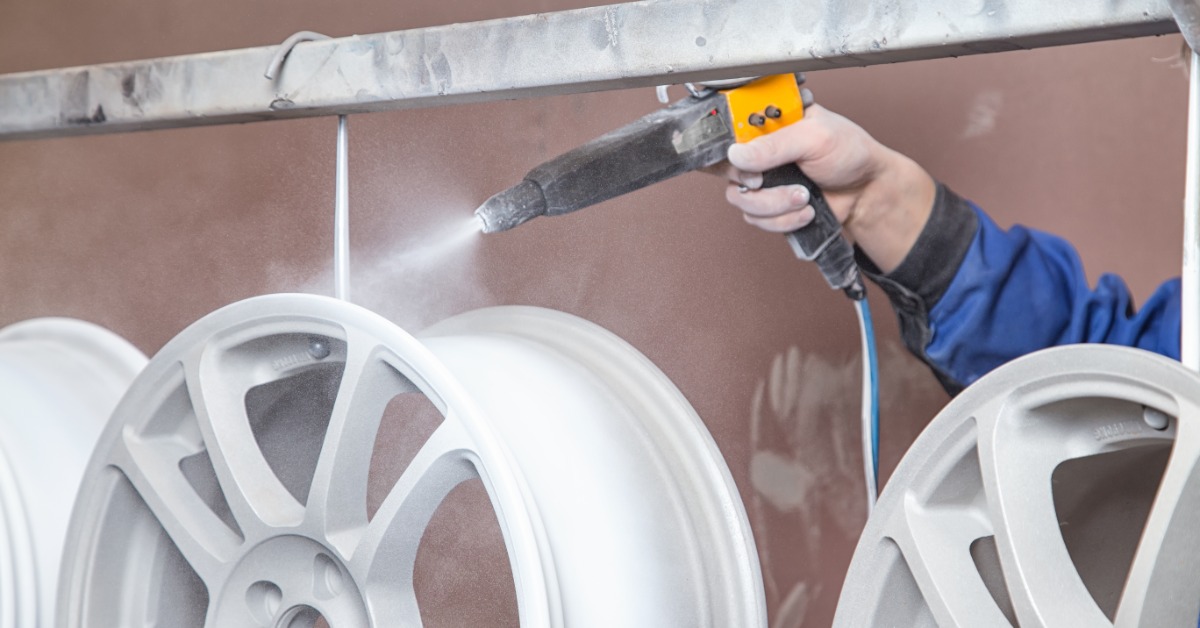
Powder coating is a dry finishing process that applies finely ground particles of pigment and resin to a surface using an electrostatic charge. Once the powder adheres to the component, it is cured in an oven where heat causes the particles to melt and form a durable, continuous film.
This process creates a tough finish that is resistant to chipping, scratching, fading, and corrosion. Powder coating has become a popular finishing option across industries including automotive, construction, agriculture, and consumer products due to its durability and efficiency.
The absence of liquid solvents is one of the defining characteristics of powder coating. Because the material is applied as a dry powder, manufacturers can often achieve thicker coatings in a single application compared to traditional liquid systems.
Understanding Liquid Coating
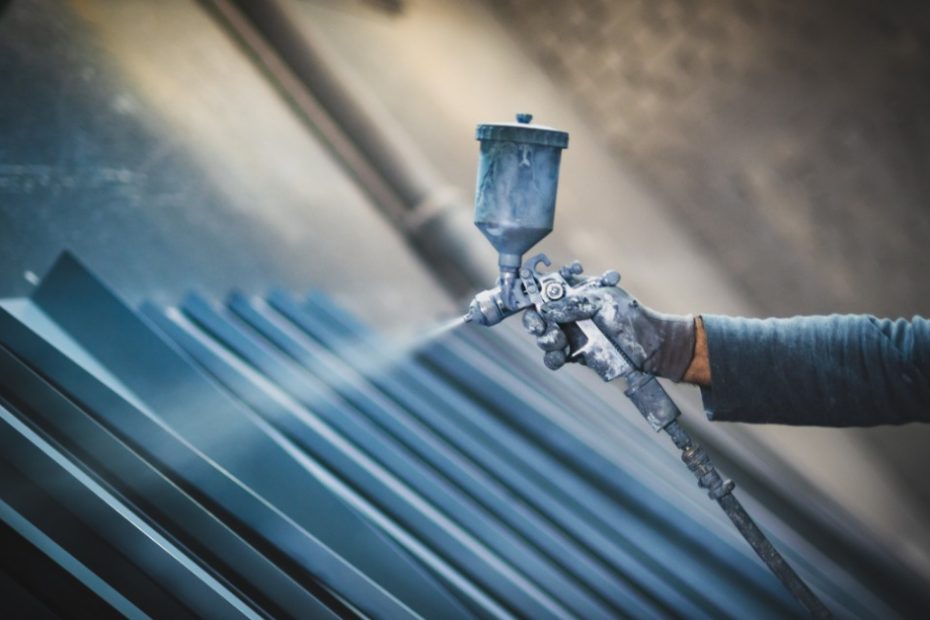
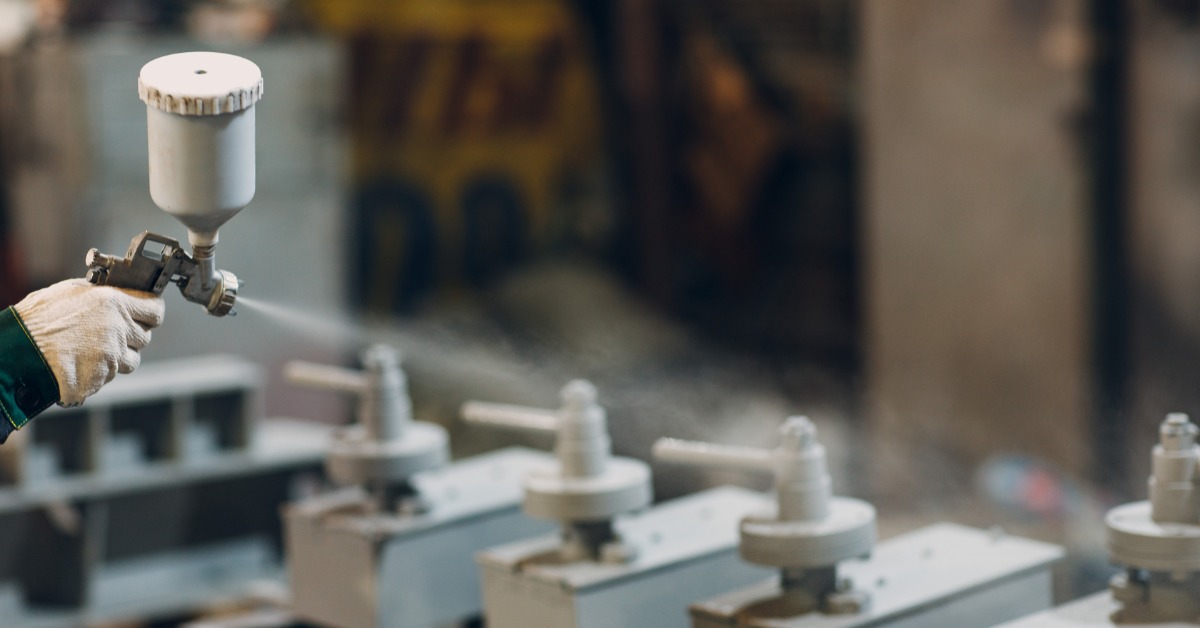
Liquid coating involves applying a coating material that contains pigments, resins, solvents, or water-based carriers. The coating is typically sprayed onto a surface and then allowed to dry or cure through air drying, heat curing, or chemical reactions.
Liquid coatings have been used for decades and remain an essential solution for many industrial applications. Their versatility allows them to be formulated for specific performance requirements, including chemical resistance, thermal protection, flexibility, and decorative finishes.
Industries often rely on liquid coatings when products have complex geometries, sensitive substrates, or unique performance requirements that may not be compatible with powder coating processes.
Powder Coating vs. Liquid Coating
Although both technologies provide protective finishes, several important differences separate the two processes.
The most obvious distinction is how the coating material is delivered. Powder coating utilizes electrostatically charged dry particles, while liquid coating uses a fluid carrier system to transport pigments and resins onto the substrate.
Another major difference involves curing requirements. Powder coatings generally require elevated temperatures during curing, making them best suited for metal components and heat-resistant materials. Liquid coatings can often cure at lower temperatures, making them compatible with a wider variety of substrates, including plastics, composites, wood, and temperature-sensitive materials.
These differences affect not only the manufacturing process but also the final performance characteristics of the coated product.
Durability and Wear Resistance
When evaluating coating systems, durability is often one of the most important considerations.
Powder coatings are widely recognized for their exceptional resistance to abrasion, impact damage, and chipping. The curing process creates a tough, uniform finish that can withstand demanding operating conditions. For products exposed to frequent handling, outdoor environments, or mechanical wear, powder coatings often provide long-term protection.
Liquid coatings can also offer excellent durability, but performance depends heavily on the specific coating chemistry selected. Advanced industrial liquid coatings can be engineered to withstand harsh chemicals, UV exposure, and extreme temperatures while maintaining flexibility and adhesion.
In applications where specialized protection is required, liquid coatings frequently provide formulation options that powder coatings cannot match.
Appearance and Finish Quality
Aesthetics play an important role in many manufacturing applications, especially for products that are highly visible to customers or end users.
Powder coatings deliver a smooth, consistent appearance and are available in numerous colors, gloss levels, and textures. The electrostatic application process helps create uniform coverage, reducing issues such as runs or sags.
Liquid coatings offer even greater flexibility in appearance. Manufacturers can achieve ultra-thin films, custom colors, metallic finishes, and highly specialized surface effects that may be difficult or impossible to replicate with powder systems.
For projects requiring precise color matching or unique decorative finishes, liquid coatings often provide greater creative flexibility.
Application Flexibility
One of the greatest strengths of liquid coatings is their versatility.
Liquid coatings can be applied to a broad range of substrates, including metals, plastics, composites, glass, and wood. They can also coat complex geometries, deep recesses, and intricate assemblies more easily than powder coatings.
Powder coating works exceptionally well on conductive metal surfaces but may face limitations when coating certain materials or highly complex parts. While technological advancements continue to expand powder coating capabilities, liquid systems often remain the preferred choice for specialized applications.
Manufacturers evaluating coating options should carefully consider part geometry, substrate compatibility, and production requirements before selecting a process.
Cost Considerations
Cost is an important factor when comparing coating technologies.
Powder coating systems often require significant upfront investment in specialized equipment, curing ovens, and recovery systems. However, operational efficiencies and reduced material waste can offset these costs over time, particularly in high-volume production environments.
Liquid coating operations generally require lower initial equipment investments but may incur ongoing expenses related to solvents, overspray waste, and environmental compliance.
The most cost-effective solution depends on production volume, part design, coating requirements, and long-term maintenance expectations.
Specialty Performance Requirements
Not every application can be adequately protected by a standard coating solution.
Many industrial environments expose equipment to aggressive chemicals, extreme temperatures, corrosion, or abrasive wear. In these situations, specialized liquid coating technologies often provide unique advantages.
For example, manufacturers may require fluoropolymer coatings, ceramic thermal barriers, urethane coatings, or other high-performance coatings engineered for demanding service conditions. These advanced solutions can offer protection levels beyond what conventional powder coatings typically provide.
Companies such as KECO Engineered Coatings specialize in developing and applying technically advanced coating systems that help improve product performance, reduce maintenance requirements, and extend equipment life.
Choosing the Right Coating for Your Application
The decision between powder coating and liquid coating should be based on the specific demands of the application rather than a one-size-fits-all approach.
Powder coating may be the best option when durability, environmental efficiency, and high-volume production are primary objectives. Its tough finish and efficient application process make it an excellent choice for many metal components.
Liquid coating may be the better solution when substrate flexibility, specialized performance characteristics, complex geometries, or unique appearance requirements are involved. The ability to tailor coating chemistry provides manufacturers with significant performance advantages in challenging environments.
Enhance Your Manufacturing
Comparing powder coating and liquid coating finishes reveals that both technologies offer valuable benefits depending on the application. Powder coating excels in durability, efficiency, and environmental performance, while liquid coating provides unmatched versatility, specialized protection, and finish customization.
Manufacturers should evaluate operating conditions, substrate materials, appearance requirements, production volumes, and performance expectations when selecting a coating system. By understanding the strengths and limitations of each technology, organizations can make informed decisions that improve product quality, longevity, and overall operational success.