 Phone:



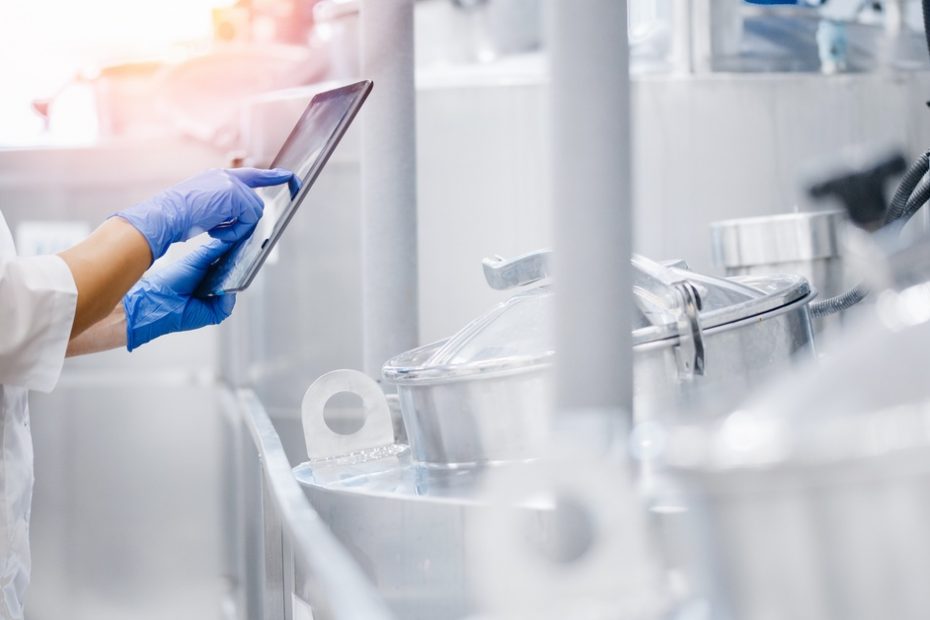
Maintaining cleanliness and controlling the proliferation of harmful microorganisms is an essential concern in various industries. Antimicrobial surfaces have emerged as a powerful solution to this challenge, and one material continues to stand out for its remarkable potential: polyurethane. Known for its versatility and durability, polyurethane has taken center stage in the development of surfaces designed to inhibit the growth of bacteria, viruses, and fungi. Learn polyurethane’s role in antimicrobial surfaces and ensure your workplace is hygienic and safe.
What Are Antimicrobial Surfaces?
Antimicrobial surfaces are specifically designed to disrupt the survival and replication of microorganisms upon contact. By inhibiting microbial activity, these surfaces significantly reduce the risk of contamination and infection transmission.
Material choice is critical to achieving the desired level of antimicrobial efficacy. Among several options, polyurethane has proven to be a frontrunner due to its inherent properties and ability to be modified for enhanced antimicrobial performance.
Polyurethane’s adaptability makes it an ideal candidate for a broad spectrum of applications. When treated with antimicrobial agents, polyurethane surfaces can target harmful pathogens actively, creating a safer and cleaner environment.
Whether in the form of coatings, foams, or films, polyurethane can be tailored to deliver maximum antimicrobial benefits without compromising its core functionality.
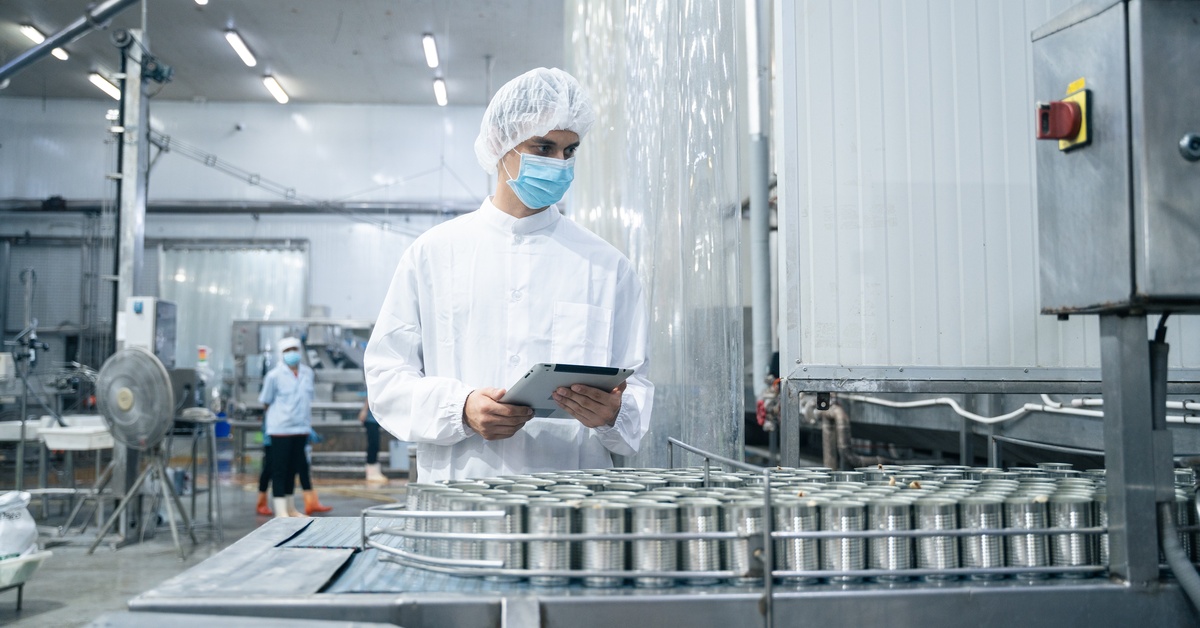
Properties That Make Polyurethane Ideal
Polyurethane boasts several characteristics that make it uniquely suited for antimicrobial surface applications.
Chemical Stability
One of its primary advantages is its excellent chemical stability, which ensures that its composition remains intact even in environments where it may come into contact with cleaning agents or disinfectants. This stability contributes to the long-lasting effectiveness of antimicrobial treatments applied to polyurethane surfaces.
Flexibility
Another valuable property is its flexibility, as polyurethane can be engineered into rigid, semi-rigid, or flexible forms to suit different industries’ needs. Its ability to conform to various shapes and textures allows antimicrobial polyurethane surfaces to be incorporated seamlessly into diverse spaces, from medical devices to countertops. Its durability ensures that such surfaces maintain their antimicrobial efficacy over time, even under rigorous use.
Synergy
Polyurethane is also highly compatible with a wide range of antimicrobial additives, including silver nanoparticles, zinc, and biocides. These additives can be uniformly distributed within the material, ensuring a consistent antimicrobial effect across the entire surface.
Polyurethane’s resistance to moisture and abrasion enhances its protective qualities, making it a reliable choice for high-traffic and high-risk environments.
Customizable
In addition to its physical durability, polyurethane offers impressive customization capabilities that make it suitable for specialized antimicrobial applications. Manufacturers can adjust hardness, texture, thickness, and finish to meet precise operational requirements while still maintaining antimicrobial performance.
This level of customization allows businesses to create surfaces that not only improve sanitation but also enhance aesthetics and user experience. Polyurethane coatings can be designed with matte, glossy, or textured finishes, providing flexibility for commercial and industrial environments alike.
Maintaining Appearance
Another important advantage is polyurethane’s ability to maintain its appearance over time. Many materials can degrade, discolor, or crack after repeated cleaning and exposure to environmental stressors, but polyurethane surfaces are engineered to resist wear and preserve their integrity.
This consistent performance helps reduce maintenance costs and supports long-term operational efficiency. As organizations continue prioritizing cleaner and more durable materials, polyurethane remains a dependable solution capable of adapting to evolving performance and hygiene expectations.
Applications Across Industries
The use of polyurethane in antimicrobial surfaces spans multiple sectors, providing crucial benefits wherever hygiene and safety are priorities.
Public Spaces
Public spaces such as transportation hubs, gyms, schools, and office buildings also benefit from antimicrobial polyurethane surfaces. From doorknobs to railings, frequently touched surfaces are hotspots for microbial transmission, and using antimicrobial coatings in these high-contact areas ensures greater protection for the general population.
Textiles
Polyurethane also finds applications in the development of antimicrobial textiles and wearable technology. By integrating polyurethane films treated with antimicrobial agents, manufacturers are creating clothing and equipment that actively fight off bacteria and fungi, improving hygiene in daily life and extreme conditions alike.
Environmental Considerations
With the growing demand for sustainable materials, polyurethane manufacturers are innovating to make antimicrobial surfaces eco-friendly. Traditional polyurethane production often relies on petroleum-based inputs, but recent advancements have introduced bio-based alternatives with a lower environmental footprint.
This development has enabled the creation of polyurethane formulations that maintain all the desired antimicrobial properties while aligning with global sustainability goals.
Eco-conscious production processes are further supported by the longevity of antimicrobial polyurethane surfaces. Their durability reduces the need for frequent replacement, minimizing waste and contributing to cost efficiency.
Additionally, certain polyurethane surfaces can now be designed for recyclability, ensuring that they remain a sustainable choice even at the end of their lifecycle.
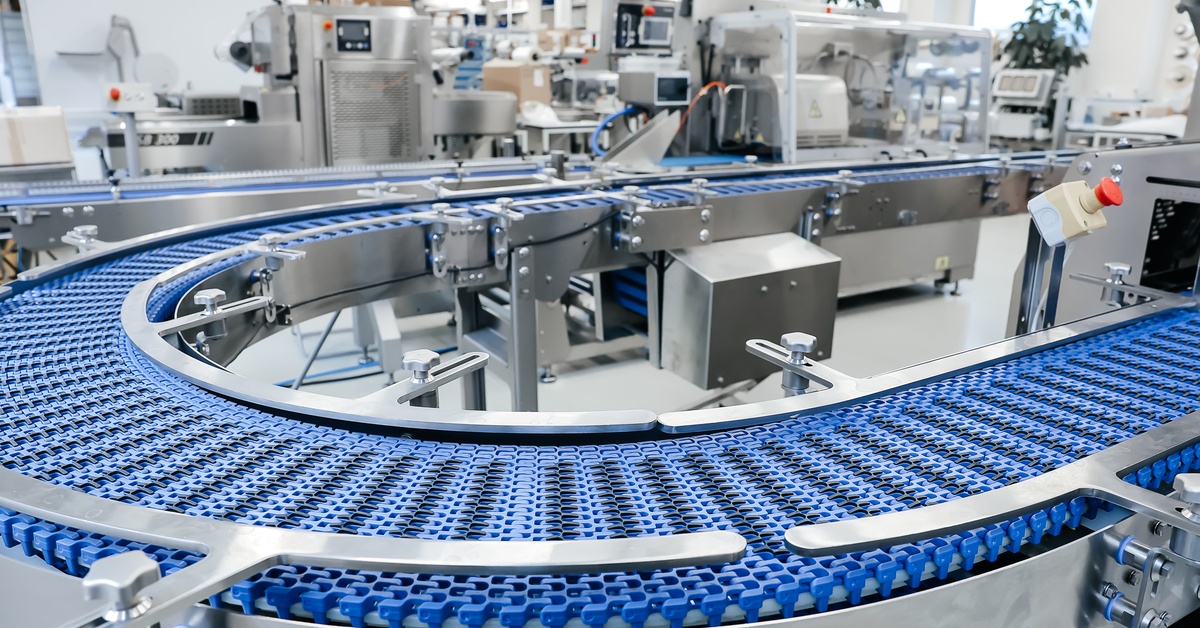
Advancements in Polyurethane-Based Antimicrobial Technology
Recent innovations are propelling polyurethane-based antimicrobial surfaces to new heights. Researchers are exploring advanced techniques to enhance efficacy and expand the scope of applications.
For example, the integration of nanotechnology has led to the development of ultra-thin polyurethane coatings with superior antimicrobial properties. These coatings offer higher protection levels while utilizing fewer resources, making them an efficient and effective option.
Another significant advancement lies in the development of polyurethane surfaces that combat antibiotic-resistant bacteria. The rise of antimicrobial resistance (AMR) has made it increasingly important to design surfaces capable of targeting superbugs.
Specialized additives incorporated into polyurethane formulations specifically address this challenge, helping curb the spread of antibiotic-resistant pathogens.
The focus on user safety has also led to the creation of antimicrobial polyurethane surfaces free from harmful chemicals. By eliminating potentially hazardous substances, these surfaces comply with regulatory standards and contribute to safer indoor and outdoor environments.
Looking Ahead
The future of polyurethane in antimicrobial surfaces is undoubtedly promising. With continuous advancements in material science and a growing focus on hygiene standards, polyurethane will remain at the forefront of antimicrobial innovation. The material’s versatility and durability make it a reliable choice, and ongoing research will undoubtedly uncover even more effective ways to enhance its properties.
For industries aiming to prioritize safety without compromising performance or sustainability, polyurethane-based solutions are invaluable. From hospitals to homes, the application of antimicrobial polyurethane surfaces is transforming how we build, interact with, and maintain our surroundings, ensuring cleaner, safer spaces for everyone.
If you work within an industry that can benefit from polyurethane, then at KECO Engineered Coatings, we can provide you and your business with the high-performance coatings you need to ensure top-quality results. Contact us today for further information.