 Phone:




Teflon, scientifically known as polytetrafluoroethylene (PTFE), is a remarkable material renowned for its versatility and unique physical properties. While many recognize it for its applications in common household items like nonstick cookware, its importance in the aerospace industry is unparalleled. Teflon’s resistance to extreme temperatures, minimal friction, and durability under intense conditions make it an indispensable material in the manufacturing and performance of aircraft and aerospace technologies. From spacecraft design to jet engines, there are many uses for Teflon in the aerospace industry that promote safety, efficiency, and innovation.
High-Temperature Resistance for Extreme Environments
One of the key reasons Teflon is so well-suited for the aerospace industry is its ability to endure extreme temperatures, ranging from as low as -454°F to as high as 500°F without degrading. Temperature fluctuations in space or high-altitude atmospheres present significant challenges for materials engineers.
Teflon can maintain its integrity under these conditions, ensuring that critical components perform without failure. This property is particularly crucial in spacecraft that require thermal insulation and components protected from the harsh, variable heat of solar radiation and the cold vacuum of space.
Essential Uses in Wiring and Cabling
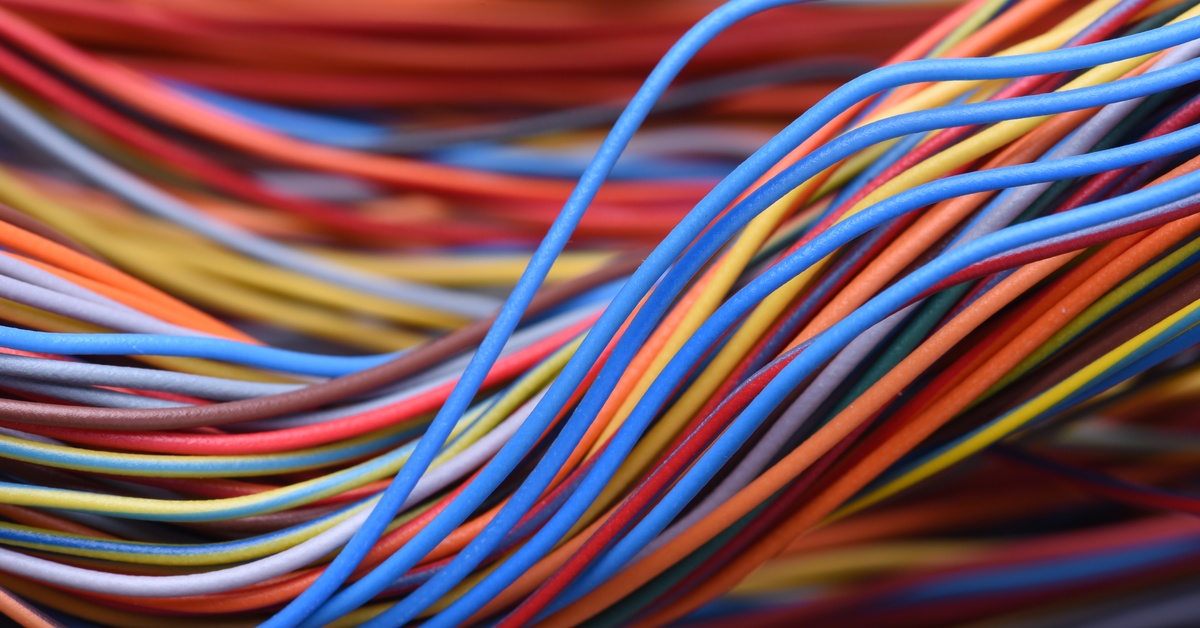
Reliability is paramount when it comes to aerospace wiring and cabling. Teflon is widely used as an insulating material for electrical wires and cables on aircraft and spacecraft. Its nonconductive nature, combined with its ability to resist heat and chemical exposure, ensures uninterrupted electrical transmission during flight.
Additionally, its nonstick property prevents wires from tangling or adhering to one another, allowing for more organized and manageable cabling systems. Engineers rely on Teflon insulation to maintain system functionality and to protect sensitive electronic equipment from potential failures caused by environmental stressors.
Reducing Friction in Moving Components
The aerospace industry often deals with moving components that must function flawlessly under pressure and precise conditions. Teflon’s exceptionally low coefficient of friction makes it a preferred material for lubricating surfaces in high-stress environments.
For example, it is frequently used in bearings, seals, and gaskets in aircraft engines, where reducing friction is not only essential for performance efficiency but also for minimizing wear and tear. Its self-lubricating properties reduce the need for traditional lubricants, leading to lighter components and reduced maintenance.
Corrosion Resistance in Aircraft and Spacecraft
Aircraft and spacecraft are exposed to a variety of corrosive substances, including fuels, hydraulic fluids, and environmental moisture. Corrosion can weaken critical structures and pose safety risks. Teflon’s resistance to chemicals and its barrier against moisture make it an excellent material for protecting surfaces and components from corrosion.
Teflon coatings are often applied to aircraft exteriors, fuel line systems, and component housings to prevent damage and extend the lifespan of these systems. This characteristic is particularly valuable in spacecraft, where repair and maintenance are nearly impossible once operational.
Teflon in Engineered Coatings and Surfaces
The use of engineered coatings made with Teflon has revolutionized the design of aerospace components. Jet turbine blades, for example, often feature Teflon-based coatings to improve their durability and thermal resistance. These coatings help enhance engine efficiency by maintaining peak performance during high-speed rotational movements and exposure to extreme heat.
Similarly, Teflon’s ability to resist ultraviolet (UV) radiation shields aerospace structures from sun damage, reducing the impact of long-term exposure in space or upper-atmosphere conditions.
Fuel Efficiency and Weight Reduction
One of the core objectives of aerospace engineering is achieving maximum fuel efficiency, and Teflon contributes significantly to this pursuit by enabling lightweight designs. Its use in seals, aerospace fabrics, and even certain structural components helps alleviate the weight burden without sacrificing durability or capability.
Because every pound of weight matters in optimizing flight, Teflon-based materials allow engineers to minimize unnecessary mass while maintaining the structural integrity of aircraft and spacecraft. The result is often lower fuel consumption and a reduction in emissions, addressing both economic and environmental concerns.
Thermal Insulation in Spacecraft and Satellites
Spacecraft and satellites must be equipped to handle the extreme thermal stresses of their environment, and Teflon plays a key role in achieving this. Applied as part of thermal insulation systems, Teflon helps regulate the temperatures within these devices, shielding sensitive instrumentation from overheating or freezing.
Its ability to reflect or absorb radiation as needed further boosts its effectiveness in maintaining the delicate balance required for mission success. Satellites, in particular, benefit from Teflon’s lightweight thermal shielding properties, as these help optimize the payloads during launch.
Innovations in Aerospace Fabrics
An often-overlooked application of Teflon in aerospace is its use in specialized fabrics. Teflon coatings enhance fabrics used in parachutes, space suits, and other essential materials by making them more resistant to wear, heat, and environmental exposure.
For astronauts, Teflon-based fibers are part of the layers that shield space suits from micrometeoroids and thermal variability, ensuring their safety during extravehicular activities. On Earth, these fabrics play a role in creating lightweight and durable gear for pilots and aviation personnel.
The Future of Teflon in Aerospace Design
As aerospace technology continues to evolve, Teflon is certain to remain a vital material in its development. Innovations in composite materials and 3D printing are already exploring ways to integrate Teflon for even more intricate applications.
With the global aerospace industry leaning toward sustainability, nonstick and lightweight properties like those in Teflon will help meet energy efficiency goals while supporting safe and reliable designs. Whether it’s for next-generation spacecraft or advanced materials in aviation, Teflon will undoubtedly play a central role in pushing the boundaries of aerospace capabilities.

Why Teflon Stands Out
From its role in thermal insulation to reducing friction and preventing corrosion, Teflon has become an irreplaceable material in aerospace design and manufacturing. Its ability to withstand the unforgiving conditions of high altitudes and space travel makes it a testament to human ingenuity in leveraging advanced materials. With continued advancements on the horizon, Teflon’s many uses in the aerospace industry to boost safety, efficiency, and innovation will ensure its place in the future of aerospace engineering.
Whether specifically in the aerospace industry or for general use in manufacturing, Teflon boasts countless advantages over other coatings. As a manufacturer, you need the best materials to produce the best product, and KECO Engineered Coatings is here to provide those critical materials. If you require our PFA coatings to enhance your facility’s performance and your product’s quality, then contact us today for more information on what we can do for you.