 Phone:


Selecting the right Teflon coating is a critical decision for industrial operations that rely on performance, durability, and efficiency. Whether used in manufacturing equipment, processing systems, or specialized components, Teflon coatings play a direct role in reducing friction, preventing corrosion, and improving product longevity. However, not all coatings are created equal, and choosing the wrong type can lead to premature wear, downtime, and increased costs.
Understanding the Operating Environment
The first and most important factor to consider is the environment in which the coated component will operate. Teflon coatings are known for their versatility, but different formulations perform better under specific conditions.
Temperature exposure is a major consideration. Some Teflon coatings are engineered to withstand extreme heat, while others are better suited for moderate conditions. If your equipment operates in high-temperature environments, such as ovens or chemical processing systems, you need a coating that maintains its properties without degrading.
Chemical exposure is equally important, as industrial environments often involve harsh substances that can break down standard coatings over time. A properly selected Teflon coating should resist these chemicals to prevent corrosion and maintain performance.
Moisture and humidity also play a role, especially in industries where equipment is exposed to washdowns or outdoor conditions. Choosing a coating designed for these environments helps prevent rust and surface damage.
Evaluating Performance Requirements
Every application has unique performance demands, and your coating choice should align with those needs. Teflon coatings are valued for properties such as low friction, non-stick capabilities, and wear resistance, but the level of performance can vary significantly.
If reducing friction is a primary goal, such as in moving mechanical parts, a coating with superior lubricity is essential. This reduces energy consumption and minimizes wear on components, leading to longer service life.
For applications involving sticky materials or buildup, such as food processing or material handling, non-stick performance becomes the priority. A high-quality Teflon coating prevents adhesion, making cleaning easier and reducing downtime.
In abrasive environments, durability is key. Some Teflon coatings are reinforced to withstand repeated wear and mechanical stress. Selecting the right formulation ensures the coating remains intact under demanding conditions.
Considering Substrate Compatibility
Not all coatings adhere equally well to every type of substrate. The material being coated, whether metal, aluminum, or another surface, affects how well the Teflon coating will bond and perform over time.
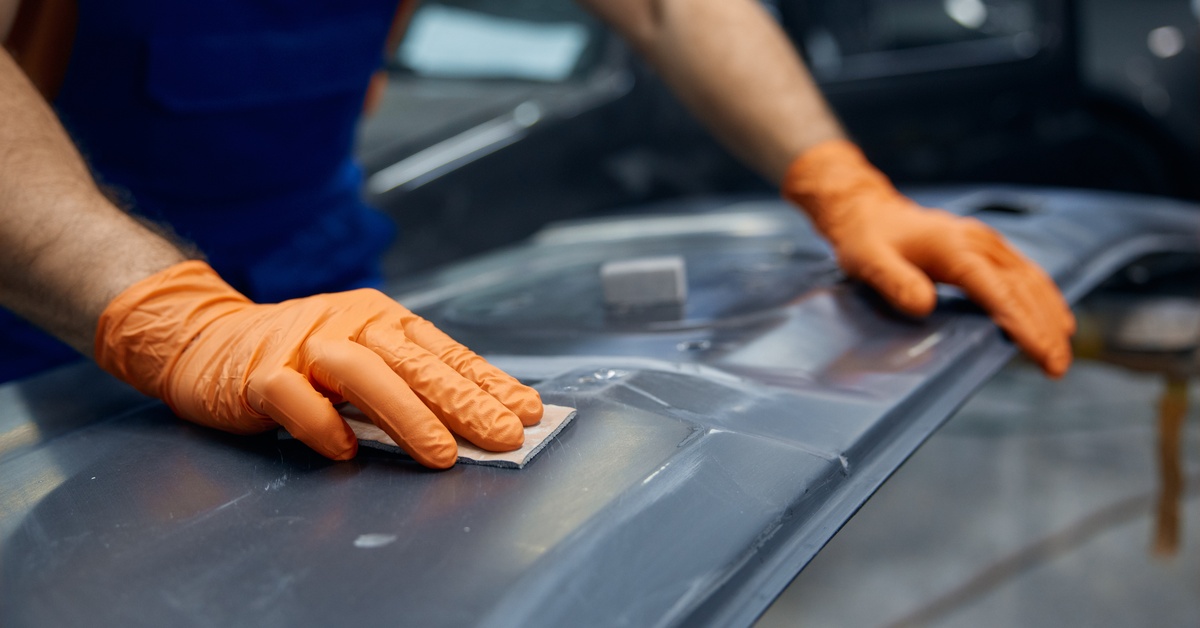
Proper surface preparation is critical to achieving strong adhesion, and this includes cleaning, roughening, or applying primers as needed. A coating provider with expertise in surface preparation can significantly impact the success of the application.
Additionally, certain substrates may require specialized coating systems to handle expansion, contraction, or stress during operation. Ensuring compatibility between the coating and the base material prevents issues such as peeling or cracking.
Thickness and Application Method
The thickness of a Teflon coating influences both performance and longevity. Thicker coatings may provide greater durability and wear resistance, but they can also affect tolerances and part dimensions.
In precision applications, maintaining tight tolerances is essential. A thinner coating may be required to ensure the component fits and functions correctly. On the other hand, heavy-duty applications may benefit from thicker coatings that provide added protection.
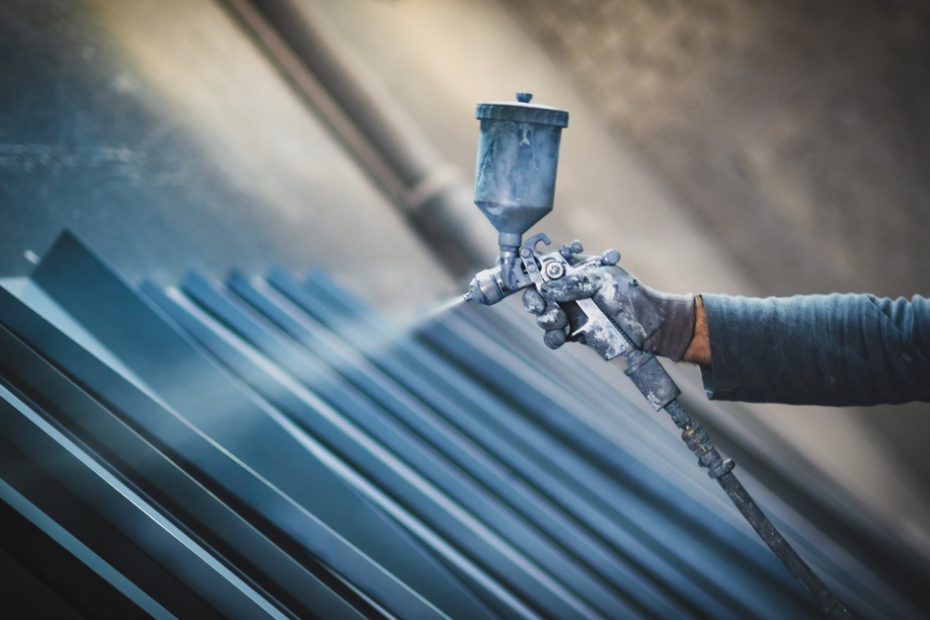
The application method also plays a role in the final outcome. Spray coatings, dip coatings, and electrostatic applications each offer different benefits. Working with an experienced coating provider ensures the appropriate method is used for your specific requirements.
Durability and Lifecycle Expectations
Industrial coatings are an investment, and understanding their expected lifespan is crucial. A lower-cost coating may seem appealing initially, but if it requires frequent reapplication, it can lead to higher long-term expenses.
High-quality PFA coatings are designed to withstand repeated use without significant degradation. This reduces maintenance frequency and minimizes downtime, which is especially important in high-volume production environments.
When evaluating options, consider how long the coating will last under your operating conditions. A more durable solution may have a higher upfront cost but deliver better value over time through reduced maintenance and improved reliability.
Compliance and Industry Standards
Depending on your industry, certain regulations or standards may apply to the coatings used on your equipment. For example, food processing, medical, and aerospace industries often have strict requirements regarding materials and coatings.
Ensuring your Teflon coating meets these standards is essential for compliance and safety. This may include certifications for chemical resistance, temperature tolerance, or non-toxicity.
Working with a knowledgeable coating provider helps ensure that all relevant standards are met without compromising performance. This is particularly important for industries where compliance is closely monitored.
Customization and Engineering Support
Off-the-shelf solutions may not always meet the unique demands of your application. In many cases, a customized coating approach is necessary to achieve optimal performance.
Engineering support plays a key role in this process; a provider with technical expertise can evaluate your specific needs and recommend a tailored solution. This may involve adjusting coating thickness, selecting a specialized formulation, or modifying the application process.
Customization ensures that the coating is not only effective but also aligned with your operational goals. This level of precision is often what separates average results from long-term success.
Cost vs. Value Considerations
Cost is always a factor in decision-making, but it should not be the sole consideration. The true value of a Teflon coating lies in its ability to improve efficiency, reduce maintenance, and extend equipment life.
A lower-cost coating may save money upfront but lead to higher expenses due to frequent repairs or replacements. Conversely, a higher-quality coating can deliver significant cost savings over time by minimizing downtime and improving performance.
Evaluating total cost of ownership provides a more accurate picture of value. This includes not only the initial investment but also maintenance, replacement, and operational efficiency.
Partnering with the Right Coating Provider
Knowing the factors to consider when choosing a Teflon coating is only part of the equation. The expertise of the coating provider is equally important in achieving successful results.
An experienced provider brings knowledge of materials, application techniques, and industry requirements. They can guide you through the selection process and ensure the coating is applied correctly for maximum performance.
Companies like KECO Engineered Coatings focus on delivering technically superior, lab-tested solutions that enhance product quality while reducing labor and production costs . Partnering with a provider that prioritizes performance and reliability ensures your investment delivers long-term benefits.
Making the Right Choice
Selecting the right Teflon coating requires a careful evaluation of multiple factors, from environmental conditions to performance requirements and long-term value. Each decision impacts the efficiency, durability, and reliability of your equipment.
By understanding these key considerations, industrial buyers can make informed choices that support operational goals and reduce overall costs. The right coating not only protects your equipment but also enhances productivity and performance across your operation.
If you are evaluating Teflon coating options for your facility, working with a knowledgeable provider can help you identify the best solution for your specific needs and ensure lasting results.