 Phone:



Choosing a non-stick coating is not as simple as picking a single material and applying it across all applications. Each product has unique performance demands, environmental exposures, and durability requirements that must be considered carefully. How to select the right non-stick coating for your product depends on understanding these variables and aligning them with coating capabilities.
Understanding the Purpose of a Non-Stick Coating
Before evaluating specific coating types, it is important to define what you need the coating to accomplish. Non-stick performance is often the primary goal, but it is rarely the only requirement.
Many applications require coatings to handle abrasion, chemical exposure, or extreme temperatures. In some cases, the coating must also meet regulatory standards, particularly in industries like food processing. Understanding these overlapping requirements ensures the coating performs reliably over time rather than failing prematurely.
A well-selected coating does more than prevent sticking. It contributes to smoother operations, easier cleaning, and reduced wear on equipment. These benefits directly support productivity and cost savings in industrial environments.
Evaluating Operating Conditions
The environment in which your product operates is one of the most critical factors in coating selection. Temperature, pressure, and exposure to chemicals all influence how a coating will perform.
High-temperature environments, for example, require coatings that maintain stability without degrading. In contrast, applications involving aggressive chemicals demand coatings with strong resistance to corrosion and chemical attack. Ignoring these factors can lead to coating breakdown, contamination, or costly downtime.
Mechanical stress is another key consideration. Equipment that experiences constant friction or impact needs a coating that can withstand wear without losing its non-stick properties. Matching the coating to these conditions is essential for long-term performance.
Material Compatibility Matters
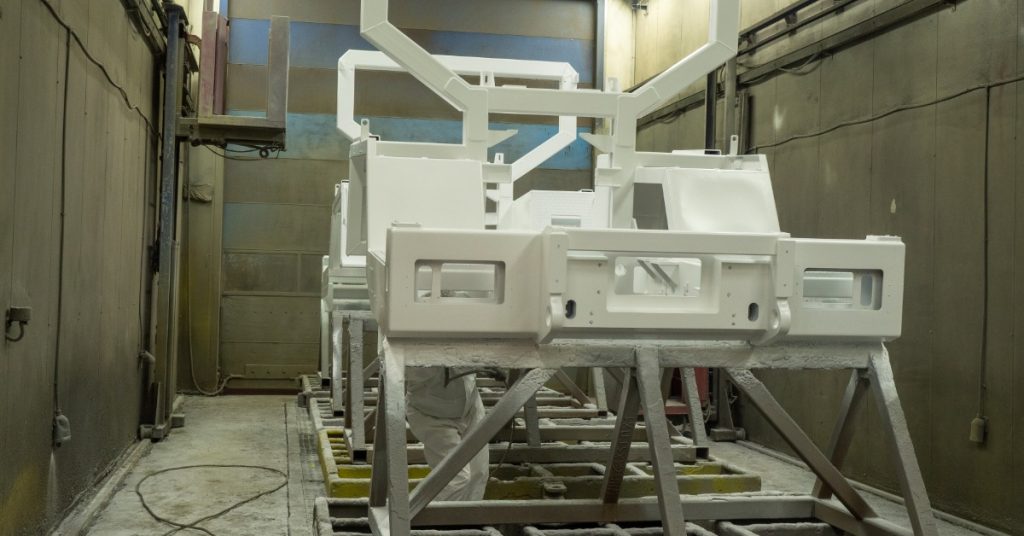
The substrate material plays a significant role in determining which coating will work best. Metals such as aluminum and stainless steel often accept a wide range of coatings, but each material interacts differently with coating systems.
Surface preparation is also a critical part of compatibility. Proper preparation ensures strong adhesion, which directly affects coating durability. Without it, even the most advanced coating can fail prematurely.
In addition, thermal expansion differences between the coating and substrate must be considered. If these are not aligned, the coating may crack or delaminate under temperature fluctuations. Selecting a coating system designed for your specific substrate helps avoid these issues.
Types of Non-Stick Coatings
There are several categories of non-stick coatings available, each with unique advantages. Fluoropolymer coatings are among the most widely used due to their excellent release properties and chemical resistance. PTFE coating is a common example, known for its low friction and ability to perform in a wide range of applications.
Ceramic-based coatings offer higher temperature resistance and durability in more demanding environments. These coatings are often used where traditional fluoropolymers may not perform as well under extreme conditions.
Urethane and hybrid coatings can provide a balance between flexibility, toughness, and non-stick performance. These are often selected for applications where impact resistance and durability are just as important as release properties.
Understanding the strengths and limitations of each type allows you to narrow down the options effectively.
Performance vs. Longevity
A common mistake in coating selection is focusing solely on initial performance without considering long-term durability. While some coatings provide excellent non-stick properties, they may wear out quickly in high-use environments.
Balancing performance with longevity is key. A slightly less “slick” coating that lasts significantly longer may provide better overall value. This is especially important in industrial applications where downtime for recoating can disrupt production schedules.
Evaluating lifecycle costs rather than just upfront performance helps ensure you select a coating that delivers consistent results over time.
Regulatory and Industry Requirements
Certain industries have strict regulations governing the materials used in coatings. Food processing, for example, requires coatings that meet FDA standards for safety and cleanliness.
In these environments, the coating must not only perform well but also maintain compliance throughout its lifecycle. This includes resistance to cleaning chemicals and the ability to withstand frequent washdowns.
Failing to meet these requirements can lead to compliance issues and potential operational risks. Working with a knowledgeable coating provider helps ensure all necessary standards are met.
Application Process and Quality Control
The effectiveness of a non-stick coating is not determined solely by its formulation. The application process plays a critical role in achieving optimal performance.
Proper surface preparation, controlled application techniques, and precise curing processes all contribute to coating quality. Inconsistent application can lead to weak spots, reduced adhesion, and premature failure.
Partnering with an experienced coating provider ensures that these processes are handled correctly. High-quality application methods result in coatings that perform as intended and deliver reliable results.
Maintenance and Reapplication Considerations
Even the best non-stick coatings require maintenance over time. Understanding how the coating will be cleaned and maintained is an important part of the selection process.
Some coatings are more resistant to aggressive cleaning methods, while others may require more careful handling. Choosing a coating that aligns with your maintenance practices helps extend its lifespan.
Planning for reapplication is also important. A coating that is easier to reapply can reduce downtime and maintenance costs in the long run. This is especially valuable in high-production environments.
Working with a Coating Partner
Selecting the right coating is rarely a one-size-fits-all decision. Collaborating with an experienced coating provider can make a significant difference in the outcome.
A knowledgeable partner can evaluate your application, recommend suitable options, and ensure proper application techniques are used. This level of expertise helps avoid common pitfalls and ensures the coating performs as expected.
Companies like KECO Engineered Coatings specialize in delivering tailored solutions that improve product performance and reduce operational costs. Their experience across industries allows them to match coatings to specific application needs effectively.

Choosing the best non-stick coating solution for your application
Selecting a coating is ultimately about finding the right balance between performance, durability, and practicality. Choosing the best non-stick coating solution for your application requires careful evaluation of materials, operating conditions, and long-term needs.
When done correctly, the right coating enhances efficiency, reduces maintenance, and improves overall product quality. For industrial operations, this translates into smoother processes and lower operational costs.
Find the Perfect Coating for Your Needs
Non-stick coatings are a valuable asset in many industrial applications, but their effectiveness depends on selecting the right solution for the job. By considering factors such as environment, material compatibility, and performance requirements, you can make a more informed decision.
Taking the time to evaluate these elements ensures that your coating not only meets immediate needs but also delivers long-term value. With the right approach, non-stick coatings become a strategic advantage rather than just a functional addition.