 Phone:


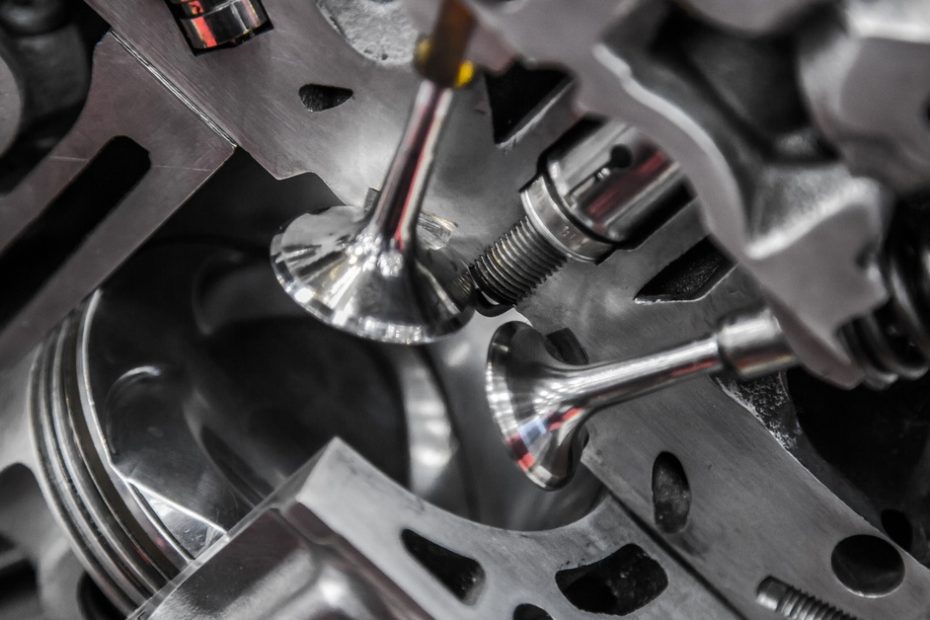
When it comes to protecting a surface, whether it’s an automotive part, or metal equipment, the choice of coating plays a critical role. Among the available options, Cerakote and traditional coatings stand out for their utility and popularity. Both have distinct characteristics, applications, and advantages, making the decision between them crucial for the longevity and performance of the item being coated. Let’s delve into the differences between Cerakote and traditional coatings to help you understand their unique benefits and determine the ideal solution for your needs.
What is Cerakote?
Cerakote is a ceramic-based finish designed for durability, corrosion resistance, and aesthetic enhancement. This high-performance coating is commonly used in various industries, including automotive, and aerospace. What sets Cerakote apart is its unique formulation, which includes ceramic particles that enhance its hardness, thermal stability, adhesion, and resistance to wear. Cerakote can be applied to metals, plastics, polymers, and even wood, making it a versatile option for many use cases.
One of the standout features of Cerakote is its ability to protect surfaces from harsh environmental conditions. It’s engineered to resist extreme temperatures, moisture, and even chemicals, making it ideal for demanding applications. Cerakote offers a sleek and smooth finish that comes in a vast range of colors, allowing users to customize their items while ensuring unmatched protection and reliability.
Understanding Traditional Coatings
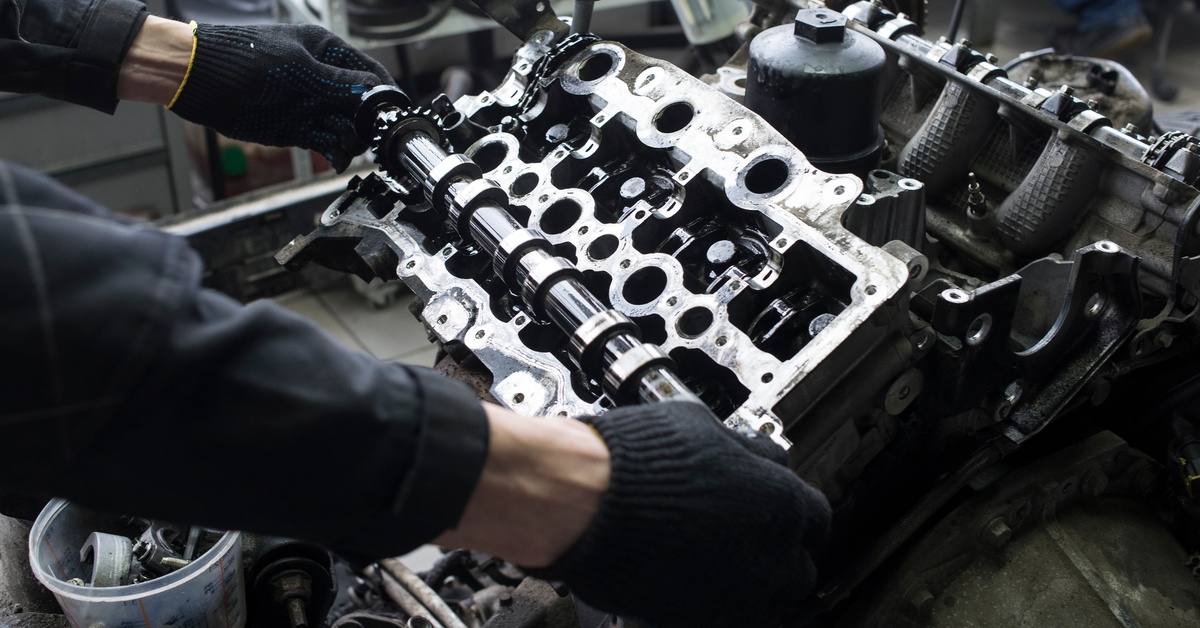
Traditional coatings refer to a wide range of protective finishes that have been used for decades. These include powder coatings, anodizing, bluing, and standard paint-based finishes. While traditional coatings vary in their composition and application methods, their primary purpose is to provide a layer of protection and improve the visual appeal of the item they cover.
Powder coating, for instance, is a popular traditional method that involves applying a powder-based material electrostatically to a surface and curing it under heat. It offers excellent wear and corrosion resistance but may not match the thinness or adhesion quality of Cerakote. Similarly, anodizing adds a protective oxidized layer to aluminum, increasing durability and resistance to corrosion. Each type of traditional coating has its strengths and works well in specific applications, but they often lack the versatility and durability offered by Cerakote.
Key Differences in Durability
One of the most critical factors to consider when choosing between Cerakote and traditional coatings is durability. Cerakote outperforms many traditional coatings in terms of resistance to scratches, corrosion, and extreme environmental conditions. Its ceramic base provides a tough outer shell that is less likely to chip, crack, or degrade over time, even in high-friction applications.
Traditional coatings may offer decent durability, but they are generally less resilient when compared to Cerakote under intense stress. For example, a painted surface might start peeling under prolonged exposure to moisture or UV rays. Similarly, bluing provides a classic aesthetic but lacks substantial corrosion resistance, particularly when exposed to humid or salty environments. For projects demanding maximum longevity and performance, Cerakote is often the superior choice.
Aesthetic Options and Customization
When it comes to aesthetics, both Cerakote and traditional coatings have their merits. Cerakote boasts an incredible range of color options, finish types, and patterns, allowing users to achieve highly customized looks. From matte to glossy finishes, solid colors to intricate camo patterns, Cerakote gives its users creative freedom while maintaining exceptional functionality.
Traditional coatings, on the other hand, also provide attractive finishes but are often limited to specific use cases. For example, anodizing can add vibrant colors to aluminum surfaces, but its application is confined to particular materials. Similarly, bluing creates an iconic dark finish but doesn’t offer as much variety in terms of color or texture. If you value personalization and aesthetic impact alongside durability, Cerakote offers unparalleled flexibility.
Resistance to Environmental Elements
Environmental resistance is another area where Cerakote sets itself apart. Cerakote is designed to withstand exposure to harsh elements such as rain, snow, and extreme heat. Its robust formulation also protects coated items from damaging UV rays, salt, and chemicals, making it particularly popular for outdoor applications like automotive parts, and marine equipment.
Traditional coatings like paint or powder coating often fall short in extreme environmental conditions. Paint can deteriorate over time due to UV exposure, while powder coatings may lose adhesion in highly corrosive settings. While anodizing offers decent resistance to certain elements, it doesn’t provide the comprehensive protection that Cerakote guarantees. For environments prone to wear and tear, Cerakote remains the optimal choice.
Maintenance and Longevity
Another significant advantage of Cerakote is its reduced maintenance needs and superior lifespan. A Cerakote coating retains its protective qualities and aesthetic appeal over extended periods without requiring frequent touch-ups. Its non-stick properties also make it easier to clean and less prone to accumulating grime or debris.
Traditional coatings, while effective in the short term, may require more upkeep to maintain their appearance and functionality. Painted surfaces may need repainting, while bluing or other finishes may require regular oiling to prevent rust. This added upkeep can lead to higher long-term maintenance costs. Cerakote provides a low-maintenance solution that stands the test of time.
Cost Considerations
Cost is an important factor for many when choosing a coating. Cerakote tends to be more expensive upfront because of its specialized application and advanced formulation. However, its durability and long lifespan often make it a cost-effective investment in the long run, as it reduces the need for frequent repairs or reapplications.
Traditional coatings typically have a lower upfront cost, making them attractive for budget-conscious projects. However, their shorter lifespan and greater likelihood of wear and tear may lead to additional expenses over time. Deciding between the two often comes down to balancing immediate budget constraints with long-term value.
Typical Applications
Cerakote often finds its way into applications requiring high performance, durability, and aesthetic appeal. It is particularly popular where protecting metal from wear, corrosion, and heat is crucial. Cerakote is widely used in automotive customization, outdoor equipment, and even consumer electronics.
Traditional coatings are more commonly applied in industrial or less demanding settings. Powder coating, for instance, is widely used in automotive manufacturing and metal furniture production due to its cost-effectiveness and durability within moderate parameters. Each has its niche, but the extra edge and versatility often make Cerakote the go-to solution for advanced projects.
Find Your Ideal Coating
Choosing between Cerakote and traditional coatings ultimately comes down to your specific needs, budget, and desired outcome. Cerakote stands out for its exceptional durability, environmental resistance, aesthetic flexibility, and low-maintenance nature. While traditional coatings may appeal in less rigorous applications or those requiring a lower upfront cost, they are often outpaced by Cerakote’s advanced performance and long-term value.
Whether you’re protecting, enhancing an automotive component, or safeguarding metal equipment against the elements, being aware of what to know about Cerakote vs. traditional coatings ensures you select the finish that’s best suited to your application.