 Phone:



Corrosion is one of the most persistent and costly challenges in the oil and gas industry. From upstream drilling sites to downstream refineries, equipment is exposed to aggressive chemicals, moisture, salt, and extreme temperatures. Without proper protection, corrosion can lead to unplanned shutdowns, safety risks, and expensive repairs.
For industrial plant managers and maintenance teams, understanding corrosion protection in the oil and gas industry is not optional. It is a core part of maintaining uptime, controlling operational costs, and protecting valuable assets. The right strategy combines material selection, surface preparation, and high-performance protective coatings designed for demanding environments.
Why Corrosion Is a Critical Issue in Oil and Gas
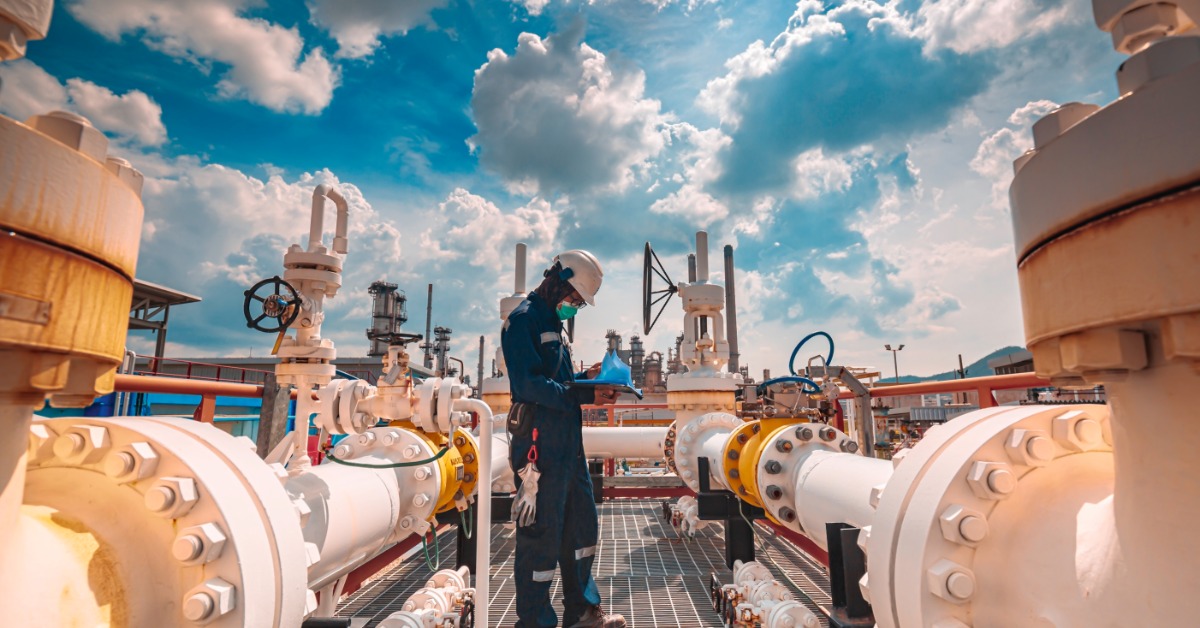
Oil and gas operations create the perfect conditions for corrosion. Equipment routinely encounters water, hydrogen sulfide, carbon dioxide, chlorides, and other corrosive agents. Offshore platforms add constant salt spray and humidity, while refineries introduce high heat and chemical exposure.
Over time, corrosion weakens metal surfaces, reduces wall thickness, and compromises structural integrity. Pipelines, storage tanks, heat exchangers, pumps, and valves are all vulnerable. Even minor surface degradation can escalate into leaks, contamination, or catastrophic failure.
The financial impact is significant. Corrosion-related maintenance, replacement, and downtime cost the industry billions annually. Beyond cost, safety and regulatory compliance are major concerns. A single failure can lead to environmental damage and serious consequences for personnel.
Common Types of Corrosion in Oil and Gas Environments
Understanding the types of corrosion that are common in the oil and gas industry helps determine the most effective protection method. Different operating conditions require different solutions.
Uniform corrosion occurs evenly across a surface and is often caused by prolonged exposure to moisture and chemicals. While predictable, it still reduces material thickness over time and must be managed proactively.
Pitting corrosion is more localized and can be harder to detect. Small pits form on the surface and penetrate deeply into the metal. Chloride-rich environments, such as offshore facilities, frequently contribute to this issue.
Galvanic corrosion develops when two dissimilar metals are in contact in the presence of an electrolyte. One metal becomes the anode and corrodes faster, which can compromise fasteners, joints, and assemblies.
High-temperature corrosion occurs in refining and processing equipment. Elevated heat accelerates chemical reactions that degrade protective oxide layers on metal surfaces, leading to faster material breakdown.
Key Areas Most at Risk
Certain assets within oil and gas operations are particularly vulnerable. Identifying these areas allows maintenance teams to prioritize protection efforts.
Pipelines face internal corrosion from transported fluids and external corrosion from soil, moisture, and environmental exposure. Storage tanks experience both interior chemical attack and exterior weather-related degradation. Processing equipment, including separators and heat exchangers, must withstand high temperatures and aggressive byproducts.
Even support structures, walkways, and containment systems are at risk. Corrosion does not discriminate between primary and secondary equipment, which means a comprehensive protection strategy is essential.
The Role of Protective Coatings
Protective industrial coatings are one of the most effective tools for corrosion control in oil and gas applications. When properly selected and applied, coatings act as a barrier between the metal substrate and corrosive elements.
Barrier coatings prevent moisture, oxygen, and chemicals from reaching the metal surface. By isolating the substrate, they significantly slow down the corrosion process. In many cases, coatings also provide chemical resistance, thermal insulation, or abrasion resistance.
Specialized coatings, such as ceramic thermal barriers and fluoropolymer-based systems, are often used in environments with extreme heat or chemical exposure. These advanced coatings can maintain performance where standard paint systems would quickly fail.
High-performance urethane coatings are commonly selected for their durability, flexibility, and resistance to environmental stress. When paired with proper surface preparation, they offer long-term protection in both onshore and offshore environments.
Surface Preparation: The Foundation of Performance
Even the best coating will fail without proper surface preparation. Contaminants such as oil, rust, scale, and old coatings must be removed before application. Surface profile and cleanliness directly affect coating adhesion.
Abrasive blasting is frequently used to create a clean, textured surface that allows the coating to bond effectively. In some applications, chemical cleaning or specialized preparation techniques may be required.
For plant managers, ensuring adherence to surface preparation standards is critical. Shortcuts at this stage often result in premature coating failure, leading to costly rework and downtime.
Internal vs. External Corrosion Protection
Oil and gas systems require protection on both interior and exterior surfaces. Each presents unique challenges.
Internal coatings must resist the specific chemicals and pressures associated with the transported product. For example, pipelines carrying sour gas require coatings that withstand hydrogen sulfide exposure. Tanks storing produced water must resist continuous moisture and chemical contact.
External coatings must protect against UV exposure, salt spray, temperature fluctuations, and mechanical damage. Offshore platforms demand coatings capable of handling constant marine exposure. Onshore facilities may require systems designed for high heat or desert conditions.
Selecting the correct coating system depends on understanding the operating environment in detail. A one-size-fits-all approach rarely delivers reliable long-term performance.
Temperature and Chemical Resistance Considerations
Oil and gas facilities often operate under extreme thermal conditions. High-temperature processing units can degrade standard protective systems quickly. In these applications, ceramic-based coatings and specialized thermal barrier systems help maintain substrate integrity.
Chemical resistance is equally important. Acids, solvents, and hydrocarbons can attack coatings if they are not formulated for those exposures. Selecting a coating with proven resistance to the specific chemical environment ensures durability and reduces the risk of failure.
Plant managers should evaluate operating temperatures, chemical exposure levels, and maintenance intervals when determining the appropriate protective solution.
Inspection and Maintenance Planning
Corrosion protection is not a one-time project. It requires ongoing inspection and maintenance to ensure continued performance. Routine inspections identify early signs of coating breakdown, such as blistering, cracking, or delamination. Addressing small issues before they escalate prevents widespread damage.
Maintenance planning should include scheduled recoating intervals based on environmental severity and system design life. Predictive maintenance strategies, combined with high-quality coatings, help reduce unexpected shutdowns and extend asset lifespan.
Compliance and Industry Standards
The oil and gas industry operates under strict regulatory oversight. Corrosion-related failures can trigger environmental penalties and safety violations. Compliance with industry standards for coating selection and application is essential.
Standards from organizations such as NACE and ISO provide guidance on corrosion control methods and coating performance requirements. Following established best practices supports both operational reliability and regulatory compliance.
Documentation of surface preparation, coating thickness, and inspection results also plays a key role in audits and quality assurance processes.
Choosing the Right Coating Partner
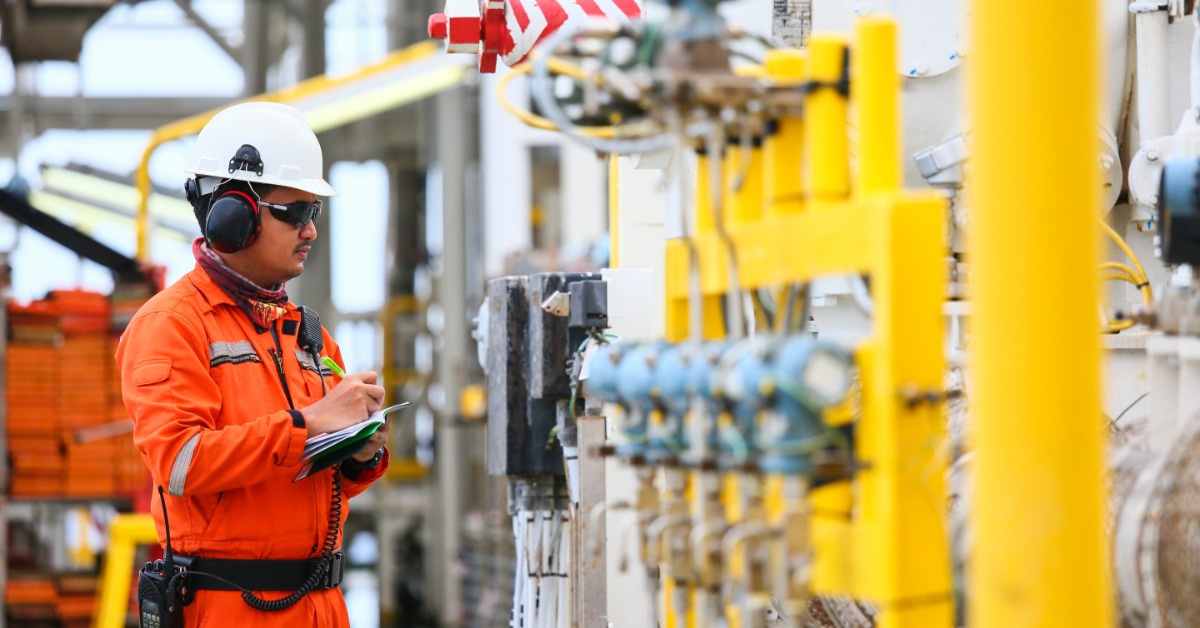
Effective corrosion protection depends not only on product selection but also on expertise in application. Working with a coating provider that understands the demands of oil and gas operations ensures better outcomes.
An experienced partner can recommend lab-tested, technically advanced coatings tailored to specific operating conditions. They can also support proper surface preparation, application procedures, and quality control.
For industrial facilities, the goal is long-term protection that reduces labor costs, minimizes production interruptions, and maintains equipment integrity. Investing in the right coating system upfront often results in significant savings over the life of the asset.
Long-Term Value of Proactive Corrosion Protection
Corrosion may be inevitable in harsh oil and gas environments, but its impact can be controlled. A proactive protection strategy extends equipment life, improves safety, and protects profitability.
By understanding corrosion types, identifying high-risk assets, and selecting performance-driven coatings, plant managers and maintenance crews can take control of asset integrity. The combination of advanced coating technology and disciplined maintenance planning forms the backbone of effective corrosion management.
In an industry where reliability is everything, corrosion protection is not just maintenance. It is a strategic investment in performance, safety, and long-term operational success.