 Phone: 800-336-5326 • IN Phone:



Polyurethane coatings have emerged as a reliable and versatile solution for manufacturers, particularly in industries such as heating, ventilation, and air conditioning (HVAC) and lighting. These coatings provide a combination of durability, flexibility, and protection that meets the growing demands of modern Original Equipment Manufacturers (OEMs). For HVAC and lighting OEMs, selecting the right coating is an essential step in enhancing product performance, increasing lifespan, and meeting regulatory compliance standards.
The Role of Polyurethane Coatings in Manufacturing
Polyurethane coatings in HVAC and lighting OEMs serve a key role in protecting and enhancing the performance of critical systems. Specialists apply these coatings to a variety of surfaces, including metals, plastics, and other composite materials, creating a protective layer resistant to various environmental and mechanical stressors.
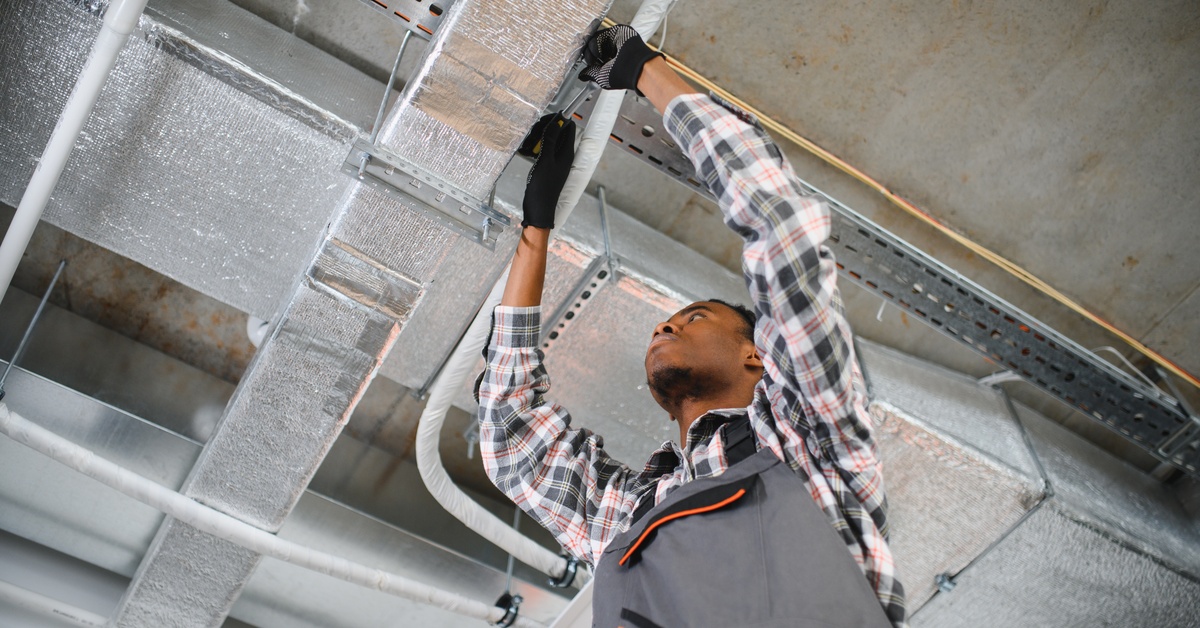
This protection is particularly valuable in HVAC systems, where exposure to fluctuating temperatures, moisture, and corrosion are constant threats. Similarly, in lighting equipment, especially in outdoor or industrial applications, polyurethanes safeguard against wear and tear, UV radiation, and environmental degradation.
These coatings also ensure the aesthetic appeal of lighting fixtures and HVAC equipment. Finishes made with polyurethane coatings offer high clarity, gloss retention, and color stability, contributing to a polished, professional look for products. Manufacturers benefit not only from functionality but also from meeting customer preferences for visually appealing designs.

Key Properties of Polyurethane Coatings
Polyurethane coatings are valued for their superior combination of properties that make them a staple in HVAC and lighting systems manufacturing. Their high abrasion resistance ensures longevity by protecting equipment from damage caused by physical contact, such as impacts, scratches, or debris. Furthermore, their exceptional chemical resistance makes them well-suited for components exposed to oils, cleaning agents, or corrosive substances during operation or maintenance.
Flexibility is another critical advantage of polyurethane coatings. Equipment in both HVAC and lighting industries often involves complex shapes and stress points where standard coatings might crack or peel. Polyurethanes, with their flexible yet resilient structure, adapt to these challenges without compromising adhesion or durability.
Additionally, polyurethane coatings provide effective UV and thermal resistance, which is vital for outdoor lighting and certain HVAC applications subjected to high temperatures or prolonged sun exposure. The ability to withstand adverse conditions ensures that these products can operate reliably in harsh environments.
Application in HVAC Systems
Mitigate Corrosion
Within HVAC systems, polyurethane coatings are primarily utilized to protect coils, fins, and other components that are integral to heat transfer and air circulation. These coatings prevent corrosion caused by moisture, salt air, and chemicals in the surrounding environment, which can otherwise lead to system efficiency loss and increased energy consumption. For instance, in coastal areas where HVAC systems are exposed to saline air, polyurethane coatings significantly reduce the risk of rust and corrosion-related failures.
Protect Against Dirt and Grime
Polyurethane coatings also enhance condensers and evaporators’ thermal performance by preventing dirt, grime, and fungal buildup on their surfaces. Manufacturers can rely on this protective layer to maintain optimal heat transfer rates and ensure overall system performance. By extending the operational lifespan of these components, OEMs can achieve a lower total cost of ownership for their clients, supporting customer satisfaction and brand reputation.
Reduce Sound and Vibration
Polyurethane coatings also play a vital part in noise reduction. Their flexible structure helps dampen vibrations within sensitive HVAC machinery, offering quieter operation without compromising effectiveness. For customers, this is a welcome attribute, especially in residential or office settings where noise reduction is valued.
Application in Lighting Equipment
Protection Against the Elements
The lighting industry benefits immensely from polyurethane coatings in both indoor and outdoor applications. Outdoor lighting fixtures, such as streetlights, parking lot poles, and industrial floodlights, face continuous exposure to environmental elements like rain, UV rays, and extreme temperature swings. Applying a polyurethane coating ensures the longevity of these fixtures, protecting metal parts from corrosion and maintaining their structural integrity.
Chemical Barrier
Indoor lighting fixtures also benefit from polyurethane coatings, especially in industrial and commercial spaces where exposure to chemicals, oils, and frequent cleaning is common. These coatings provide a seamless protective layer that not only resists damage but is also easy to clean, reducing maintenance costs and efforts over the lifespan of the product.
Preserve Aesthetics
An additional benefit is the aesthetic versatility that polyurethane coatings offer lighting OEMs. Products can retain vibrant colors and shine despite prolonged exposure to sunlight or harsh environments, enhancing their appeal to consumers. This is particularly important in aesthetically-demanding markets or architectural lighting designs, where both durability and appearance matter.
Sustainability and Regulations
Modern polyurethane coatings are being developed with sustainability in mind, aligning with global trends toward greener and more eco-friendly manufacturing. Low-VOC (volatile organic compound) and waterborne polyurethane coatings are now widely available, allowing HVAC and lighting OEMs to reduce environmental impact while complying with stringent regulatory standards. By adopting these products, manufacturers can ensure compliance without sacrificing performance or product integrity.
Polyurethane coatings also contribute to energy efficiency. By protecting HVAC systems from degradation, they maintain peak performance, reducing energy consumption and operational costs. Similarly, in lighting applications, reduced maintenance and longer component lifespans translate to fewer replacements and a smaller environmental footprint.
Enhancing OEM Competitiveness
For OEMs in the HVAC and lighting industries, polyurethane coatings provide a competitive edge by enabling manufacturers to deliver superior quality and durability. The use of these coatings results in products that can withstand harsh conditions, last longer, and require less maintenance; all of which are increasingly demanded by customers in residential, commercial, and industrial sectors.
By partnering with coating specialists, manufacturers can even tailor polyurethane formulations to meet specific performance requirements, such as flame resistance or enhanced thermal insulation. This customization capability allows OEMs to better address niche market needs and differentiate their offerings from competitors.
Looking Ahead
The demand for polyurethane coatings in HVAC and lighting manufacturing is expected to continue growing as industries prioritize performance, durability, and sustainability. Advances in coating technologies, such as nanotechnology-infused polyurethanes, promise even greater levels of protection and functionality, opening new opportunities for innovation.
For manufacturers, investing in high-quality polyurethane coatings for HVAC and lighting OEMs is more than a technical decision; it’s a strategic move that ensures customer satisfaction, optimizes performance, and aligns with environmental responsibilities. By recognizing the value of these coatings and their role in modern manufacturing practices, OEMs can stay ahead in an increasingly competitive marketplace.
If your company relies on top-quality industrial coatings to facilitate enhanced performance, KECO Engineered Coatings is happy to partner with you to deliver the solutions you need. Contact us today for more information on the coatings we develop.