 Phone: 800-336-5326 • IN Phone:


When it comes to protecting surfaces from wear and damage, urethane coatings stand out as a premier solution. Combining exceptional durability with superior corrosion resistance, these coatings have become a go-to choice across industries ranging from construction and marine to automotive and manufacturing. Whether you’re safeguarding metal structures from moisture or ensuring the integrity of industrial equipment, urethane coatings deliver unmatched performance under demanding conditions. When looking at urethane coatings, it’s critical to understand how durability meets corrosion resistance to form an ideal protective solution.
What Are Urethane Coatings?
Urethane coatings, also known as polyurethane coatings, are a type of protective finish made from urethane polymers. These coatings appear on a broad range of surfaces, including metals, concrete, and wood, to shield them from environmental damage and mechanical wear. Their defining feature is their ability to form a robust film that guards against abrasions, chemical exposure, and environmental stressors. Urethane coatings are highly versatile and can be customized to meet the specific needs of different applications, making them a preferred choice across various industries.
The science behind urethane coatings lies in their molecular structure. Urethane polymers are created through a chemical reaction between polyols and isocyanates, resulting in a durable and flexible compound. This flexibility allows the coating to adapt to surface expansions or contractions without cracking, which is critical for surfaces exposed to thermal or mechanical stress. Furthermore, urethane coatings can be formulated with additives that enhance properties such as UV resistance, chemical resistance, and gloss retention.
The Role of Urethane Coatings in Corrosion Resistance
Corrosion poses a significant threat to infrastructure, equipment, and vehicles in various industries. Exposure to moisture, chemicals, and atmospheric conditions can lead to the gradual degradation of surfaces, compromising their structural integrity. Urethane coatings combat this issue by providing a strong, impermeable barrier that prevents corrosive agents from reaching the substrate beneath. This is especially important for environments where prolonged exposure to water, humidity, or salt can accelerate the corrosion process, such as in marine, coastal, or industrial settings.
The chemical composition of urethane coatings plays a critical role in their corrosion-resistant properties. Unlike traditional paints, which may degrade under harsh conditions, urethane coatings maintain their protective qualities over time. This barrier not only prevents initial damage but also extends the lifespan of surfaces, reducing maintenance and repair costs.
Unparalleled Durability for Demanding Applications
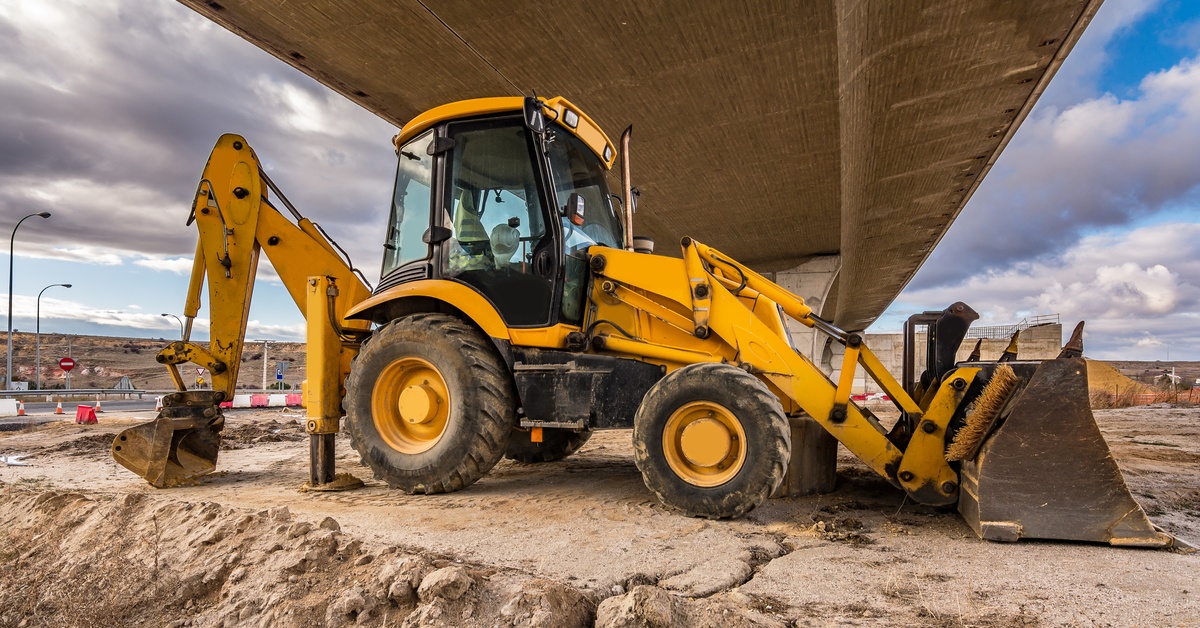
One of the standout features of urethane coatings is their remarkable durability. These coatings can withstand heavy mechanical impact, abrasive forces, and prolonged exposure to harsh environments. Whether applied to machinery subjected to constant wear or floors enduring heavy foot traffic, urethane coatings protect surfaces from scratching, denting, and other forms of mechanical damage. This durability makes them an ideal solution for industrial facilities, warehouses, and transportation equipment that face rigorous use.
Urethane coatings also excel when it comes to chemical resistance. Many industries require surfaces to endure exposure to solvents, oils, acids, and other chemicals that can deteriorate traditional coatings. Urethane finishes resist chemical reactions that might compromise coating integrity, ensuring long-lasting protection. These coatings also provide excellent weatherability, maintaining their performance even under extremes of temperature, UV radiation, and precipitation. This level of durability ensures that urethane coatings offer a strong return on investment by minimizing the need for frequent recoating or repairs.
Versatility Across Industries
The adaptable nature of urethane coatings makes them suitable for use across a wide spectrum of industries and applications. Within the manufacturing sector, they see common use with machinery, equipment, and storage tanks to ensure longevity and operational efficiency. Marine and offshore industries rely on urethane coatings to protect ships, oil rigs, and other structures that are perpetually exposed to corrosive seawater and atmospheric stresses. These coatings also find application in the automotive sector, where they are used to enhance durability and aesthetic appeal through protective layers on vehicle exteriors.
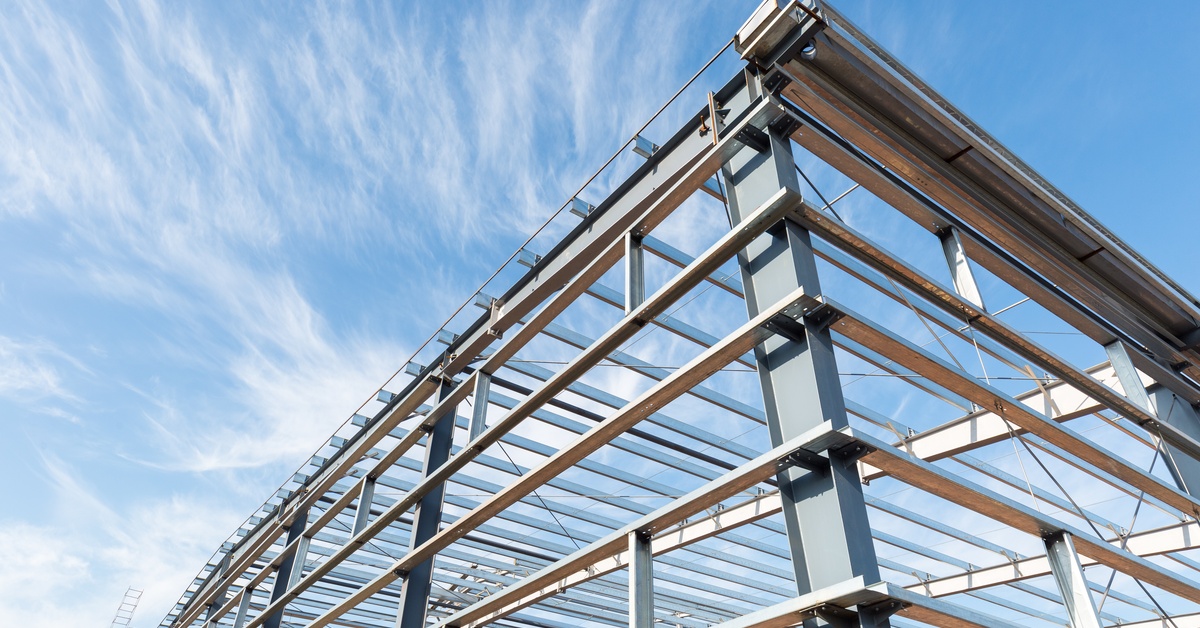
In the construction and architectural industries, professionals use urethane coatings to safeguard concrete surfaces, steel beams, and wooden fixtures from environmental degradation. Their ability to resist UV damage ensures that outdoor surfaces retain their appearance and structural integrity for years. Even in specialized applications such as aerospace and electronics, urethane coatings are employed to deliver performance in demanding conditions. This range of applications underscores the versatility and reliability of urethane coatings as a protective solution.
Environmental and Aesthetic Benefits
While their functional benefits are well known, urethane coatings also offer environmental and aesthetic advantages. By forming a durable, long-lasting layer, urethane coatings reduce the frequency of recoating, which minimizes the environmental impact associated with production, transportation, and application of new coatings. Additionally, many modern formulations are designed with low volatile organic compound (VOC) levels, making them safer for both the environment and the personnel applying them.
From an aesthetic standpoint, urethane coatings offer excellent gloss and color retention, allowing surfaces to maintain their visual appeal over time. Manufacturers can customize coatings to achieve various finishes, ranging from matte to high gloss, depending on the desired look and feel. This versatility makes them popular for surfaces that require both protective and decorative qualities, such as architectural features, floor coatings, and automotive exteriors. Their ability to preserve their appearance even under challenging conditions makes urethane coatings a practical solution for a range of design needs.
Application and Best Practices
Proper application is key to maximizing the performance of urethane coatings. Before applying the coating, it is essential to prepare the surface by cleaning it thoroughly and removing dirt, grease, or rust. For metal surfaces, techniques such as sandblasting or priming may be necessary to optimize adhesion. Once you prepare the surface, you can apply the urethane coating using methods like spraying, brushing, or rolling, depending on the size and type of surface.
Curing time is another important factor to consider. Urethane coatings typically require a specific curing process to achieve their full mechanical and chemical resistance. This process can vary depending on the formulation and environmental conditions, so manufacturers’ instructions should always be followed closely. Regular inspection and maintenance can also help ensure that the coating continues to provide optimal protection over its lifespan.
The Future of Urethane Coatings
Advancements in technology are driving innovation in urethane coatings, enhancing their performance and expanding their applications. Researchers are developing new formulations that offer even greater resistance to UV radiation, extreme temperatures, and aggressive chemicals. Eco-friendly options are also becoming more widely available, with companies introducing water-based urethane coatings that reduce environmental impact without compromising durability and protection.
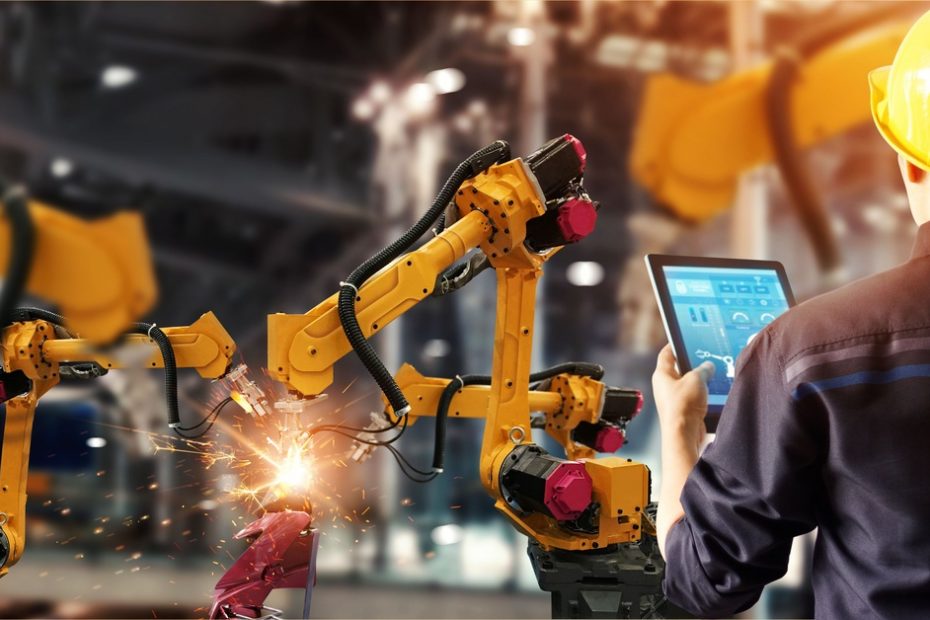
Automated application methods are also gaining traction, enabling more efficient and consistent coating processes. From robots applying coatings in manufacturing plants to drones delivering precision coatings on hard-to-reach surfaces, these advancements are improving the speed and accuracy of urethane coating application.
The Best Coating for Your Needs
When you’re looking for a coating that can fit your professional needs, remember that urethane coating offers the perfect balance of durability and corrosion resistance. Its ability to withstand mechanical stress, chemical exposure, and environmental challenges ensures they remain a valuable asset across industries. From extending the lifespan of industrial equipment to safeguarding marine infrastructure and beyond, urethane coatings offer a reliable and cost-effective way to protect valuable surfaces for years to come.
At KECO Engineered Coatings, we’re proud to provide our Normac urethane coatings to help preserve your equipment and enhance your workflows. Contact us today to find out more about the different types of coating solutions we offer.